
Description
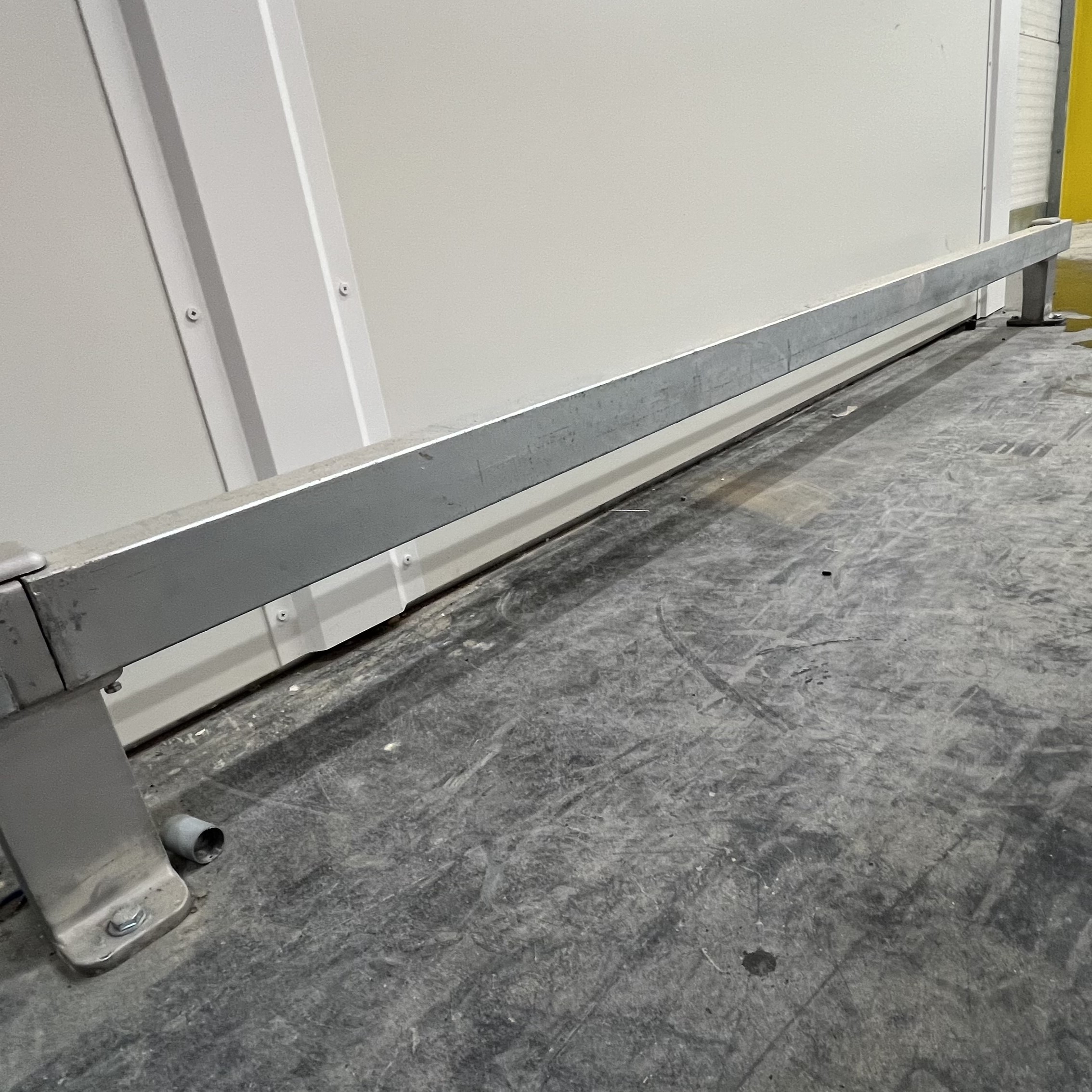
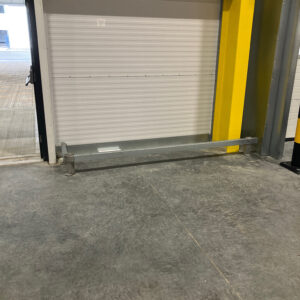
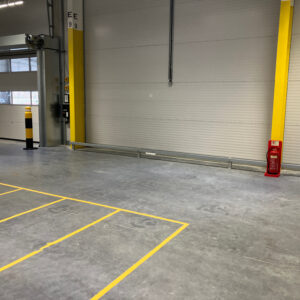
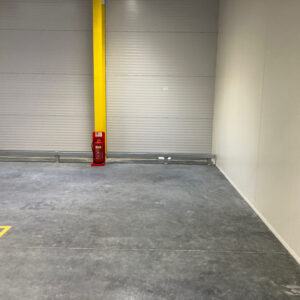
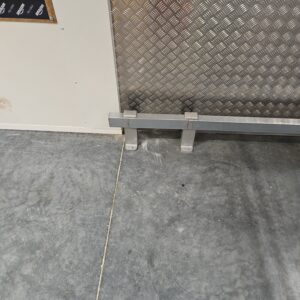
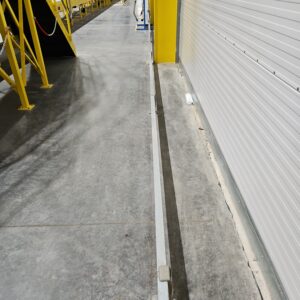
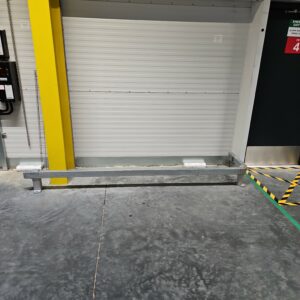
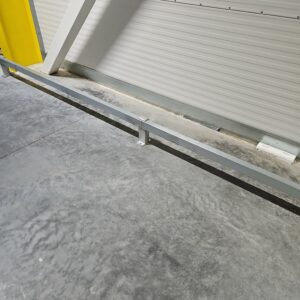
The MBT (Modular ‘B’ Type) Heavy Duty Rail, offered by Brandsafe, is an essential protective solution designed for warehouses, factories, and distribution centres. This robust barrier is engineered to shield property, equipment, walls, and columns from low-speed impacts typically encountered in such environments. Featuring a galvanised hot-dipped finish, the MBT rail ensures a long service life. Its aluminium feet ends and corners allow for assembly to any length, adapting seamlessly to site-specific needs, including around corners and access points.
This versatile product is not only suitable for internal and external applications but also boasts a fully modular system for easy planning and installation. The rail’s 51mm x 76mm box section, combined with its modular design, offers unparalleled durability and adaptability to challenging requirements. With a finished height of 262mm above floor level and a depth of 136mm, it provides substantial protection without compromising space.
Installation is straightforward, utilizing two M10x80mm expandable rawl shields and bolts per support foot, ensuring a secure fit. The maximum distance between feet is 2000mm, allowing for extensive coverage, while the maximum distance of a foot from an end or corner is 150mm, ensuring every part of the area is protected.
Brandsafe’s MBT Heavy Duty Rail is a testament to the company’s commitment to innovation, sustainability, and customer satisfaction. By integrating this rail into a facility’s safety strategy, businesses can significantly enhance the safety and efficiency of their operations, protecting both physical assets and personnel from potential impacts. Discover more about how this and other Brandsafe products can revolutionize workplace safety by visiting Brandsafe’s website or contacting their dedicated sales team for bespoke solutions tailored to your unique project requirements.
Explore More with Brandsafe
As part of IWS Group, here at Brandsafe we’re dedicated to providing solutions that not only meet but exceed our clients’ safety needs. Our MBT Heavy Duty Rail is a testament to our commitment to innovation, sustainability, and customer satisfaction. For those looking to further enhance their impact safety, our comprehensive range of products, including Armco, Bollards, and Wheel Stops, offers everything required to secure personnel and property from life-threatening impacts.