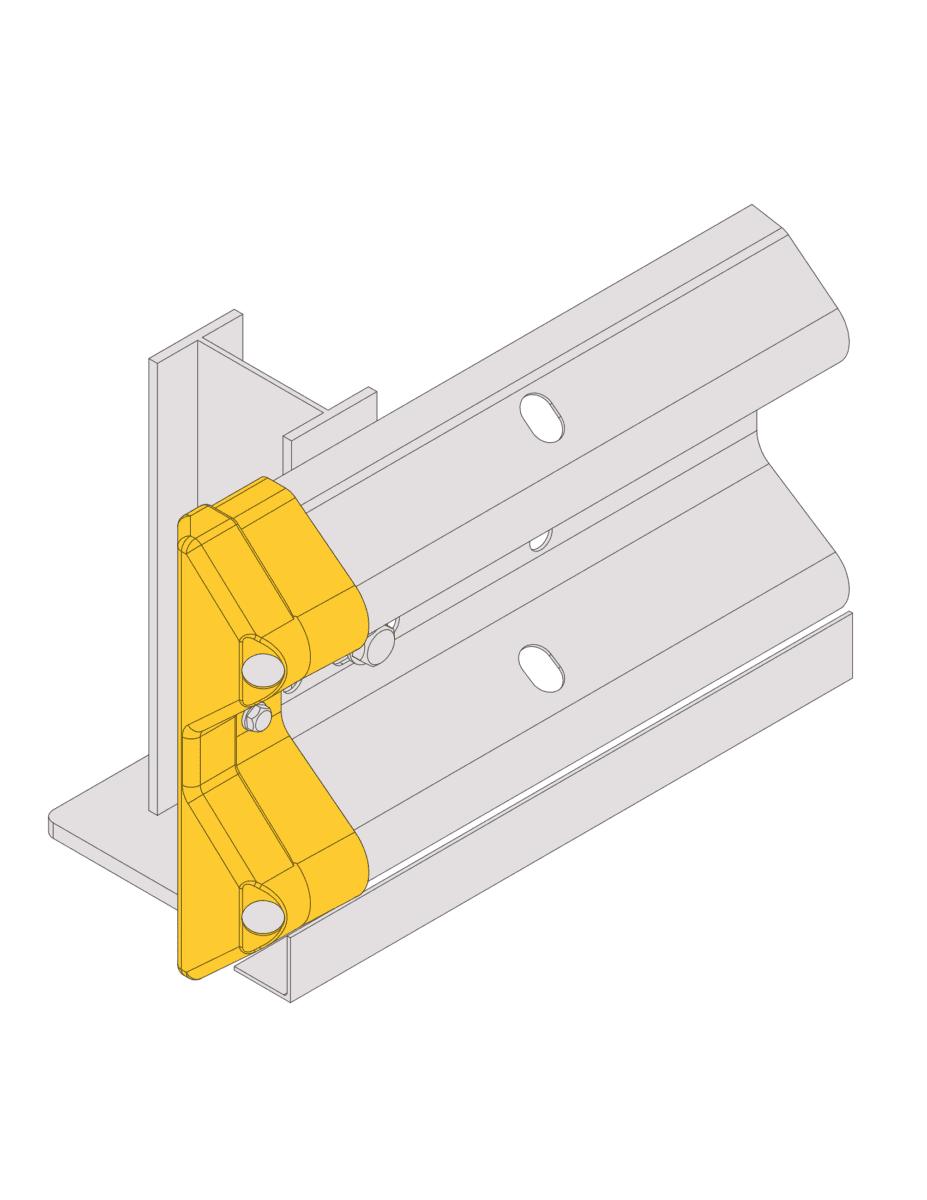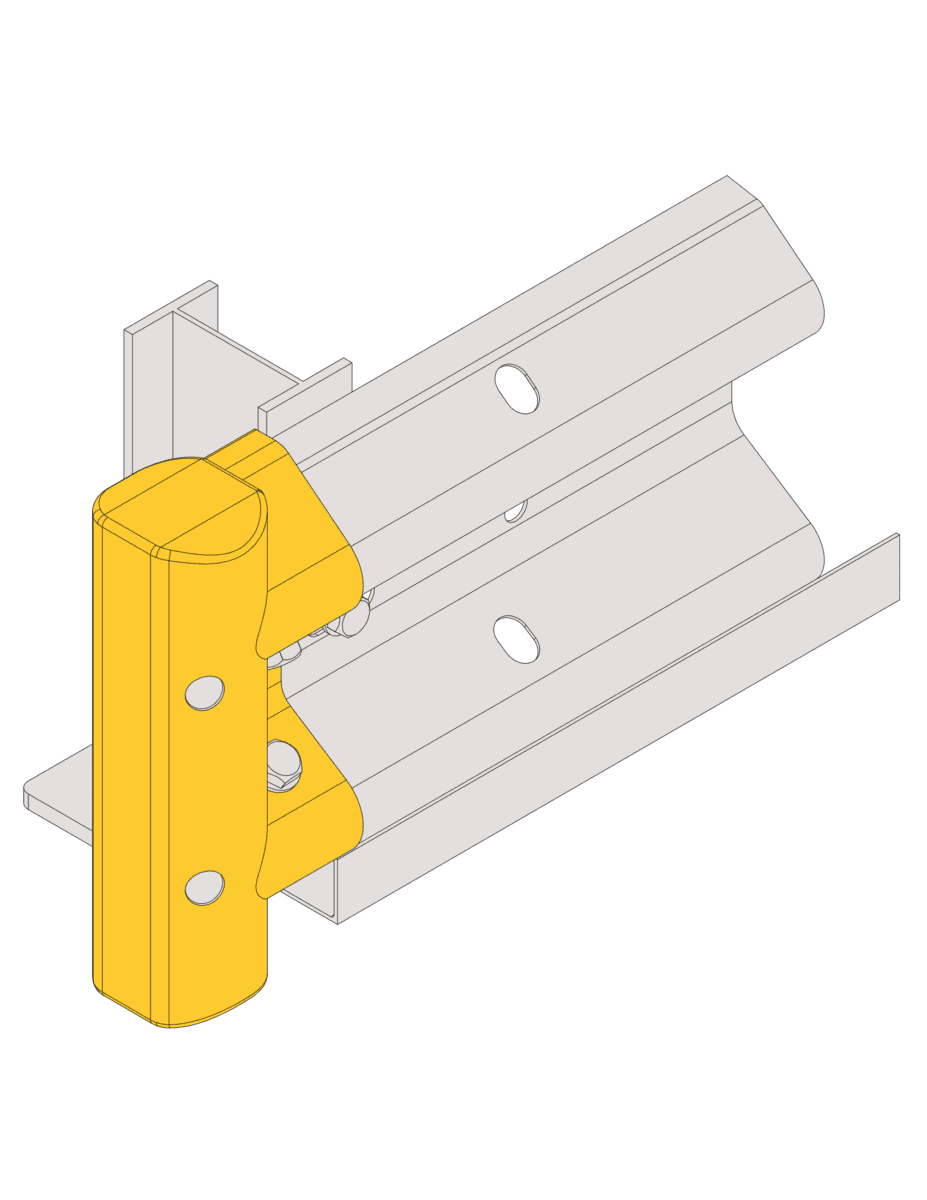

Description
Low-level wall and equipment protection for industrial environments
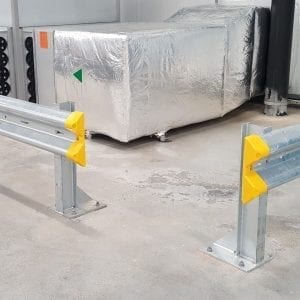
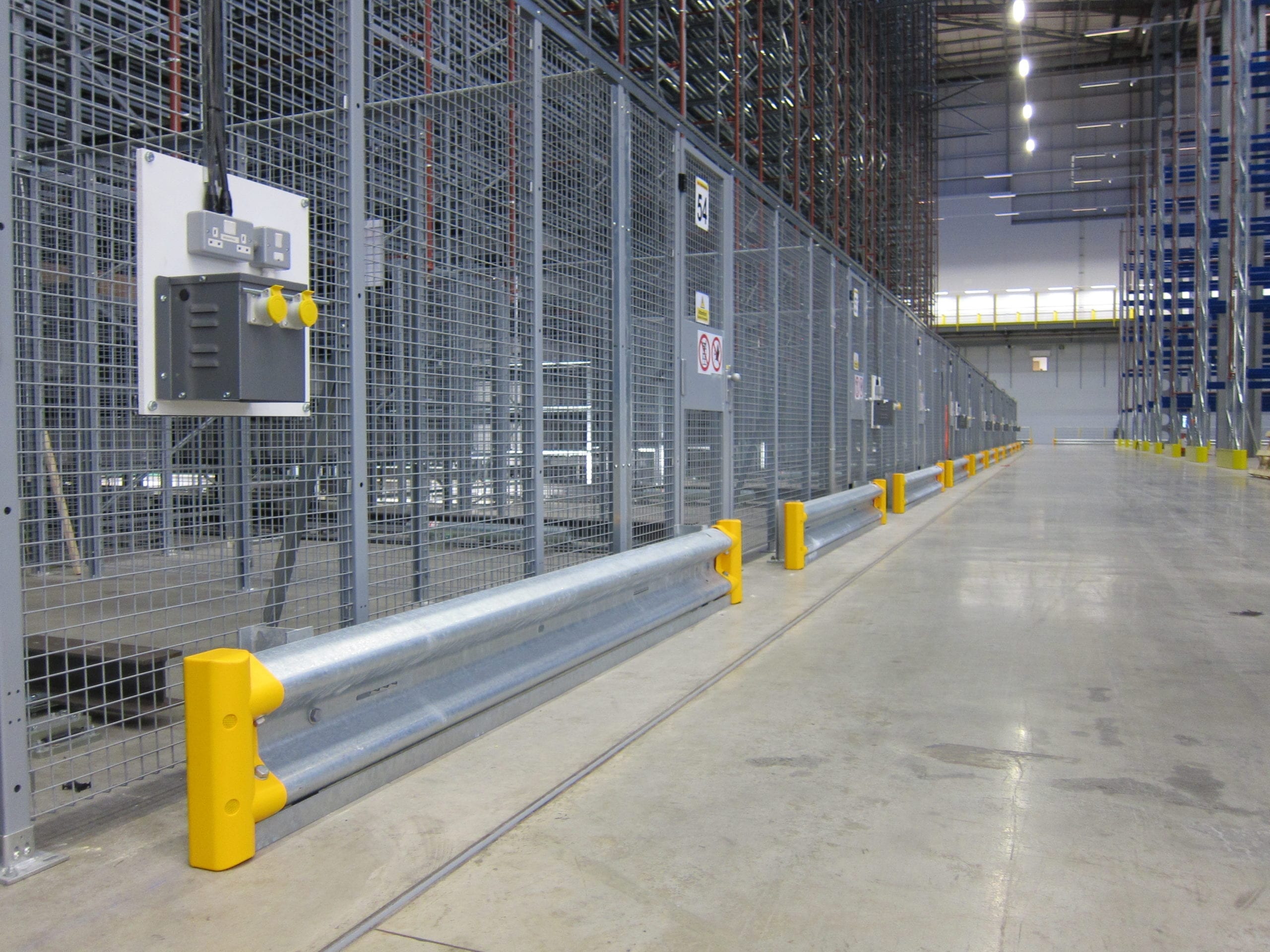
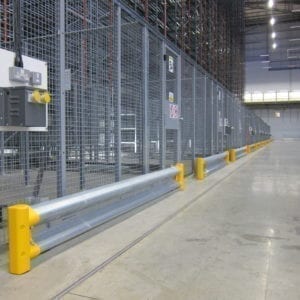
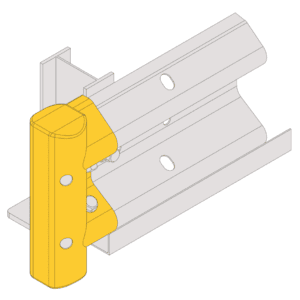
Perimeter walls, equipment lines and critical infrastructure face constant risk in busy industrial environments. Forklifts, pallet trucks and other vehicles operating in tight spaces create repeated low-level contact. Each unaddressed impact adds cumulative damage to building fabric and assets. The Armco 360 Safety Barrier addresses this directly. It creates a strong, visible physical barrier at exactly the height where low-level vehicle contact occurs most frequently.
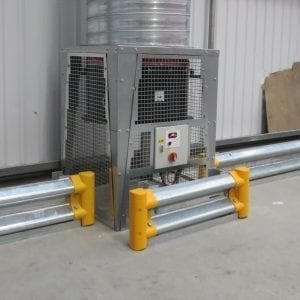
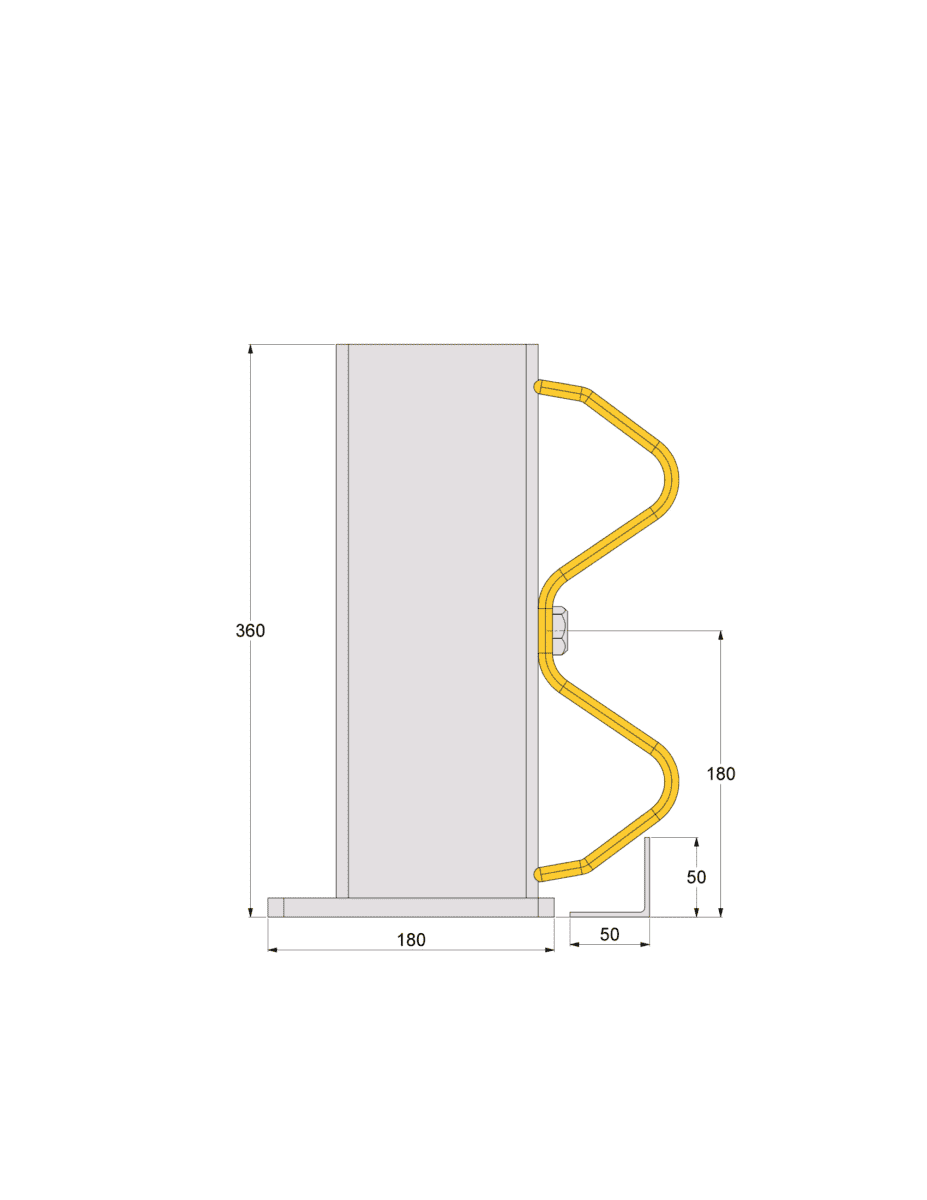
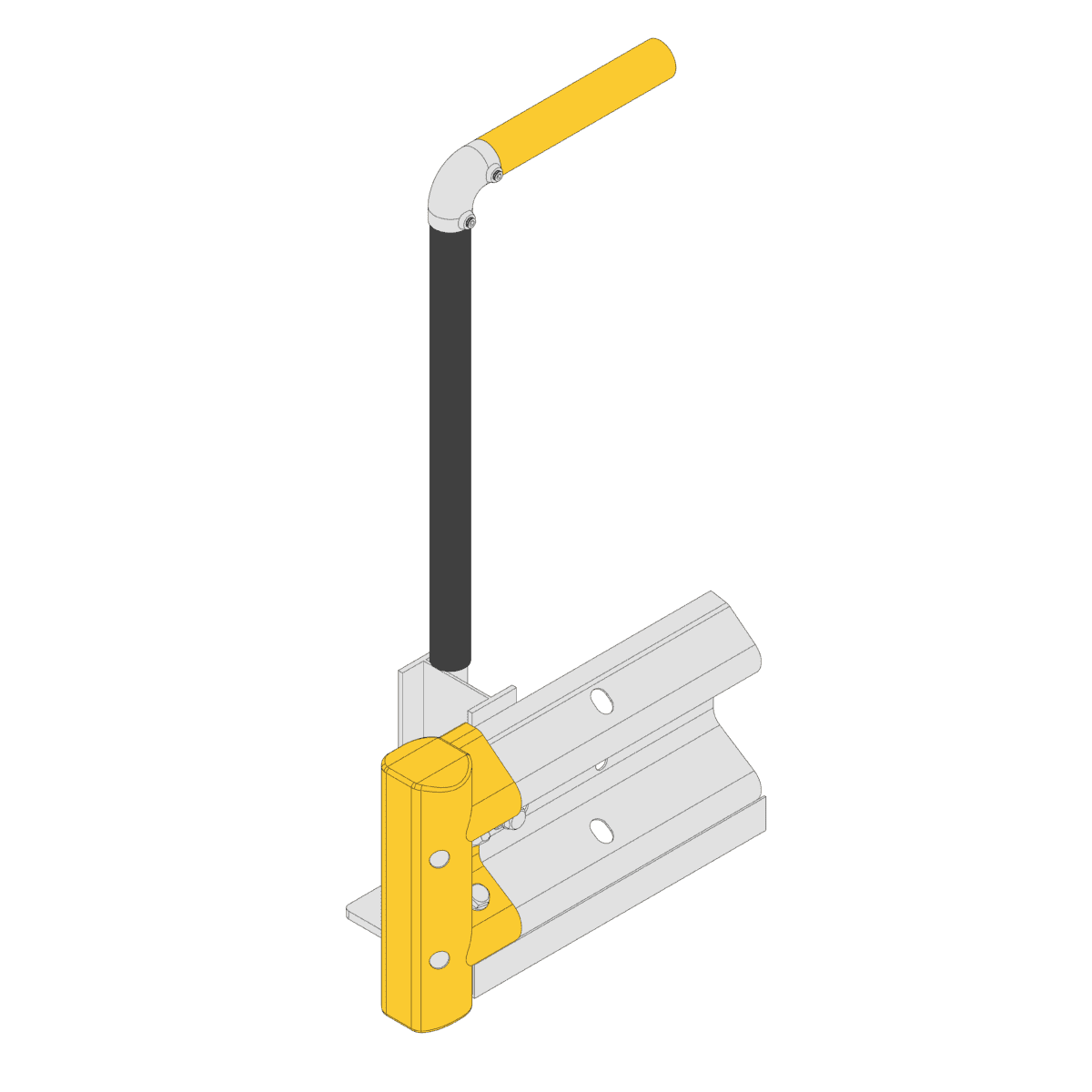
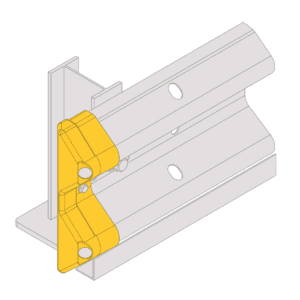
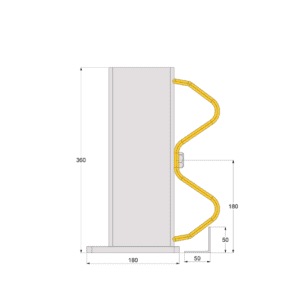
At 360mm high with an integrated forklift impact rail, the system absorbs and deflects low-level impacts before they reach the wall or asset behind it. It is a cost-effective choice for perimeter wall protection, equipment enclosures and traffic route boundaries. Warehouses, logistics centres and industrial facilities all benefit from this level of protection.
Hot dip galvanised mild steel construction
The Armco 360 uses mild steel with a hot dip galvanised finish. This provides long-term corrosion resistance in demanding indoor and outdoor environments. Compatible with the full range of Brandsafe Armco accessories, the system specifies with diamond grade reflectors and colour coded polymer components. These improve driver awareness and clearly define barrier boundaries across the site.
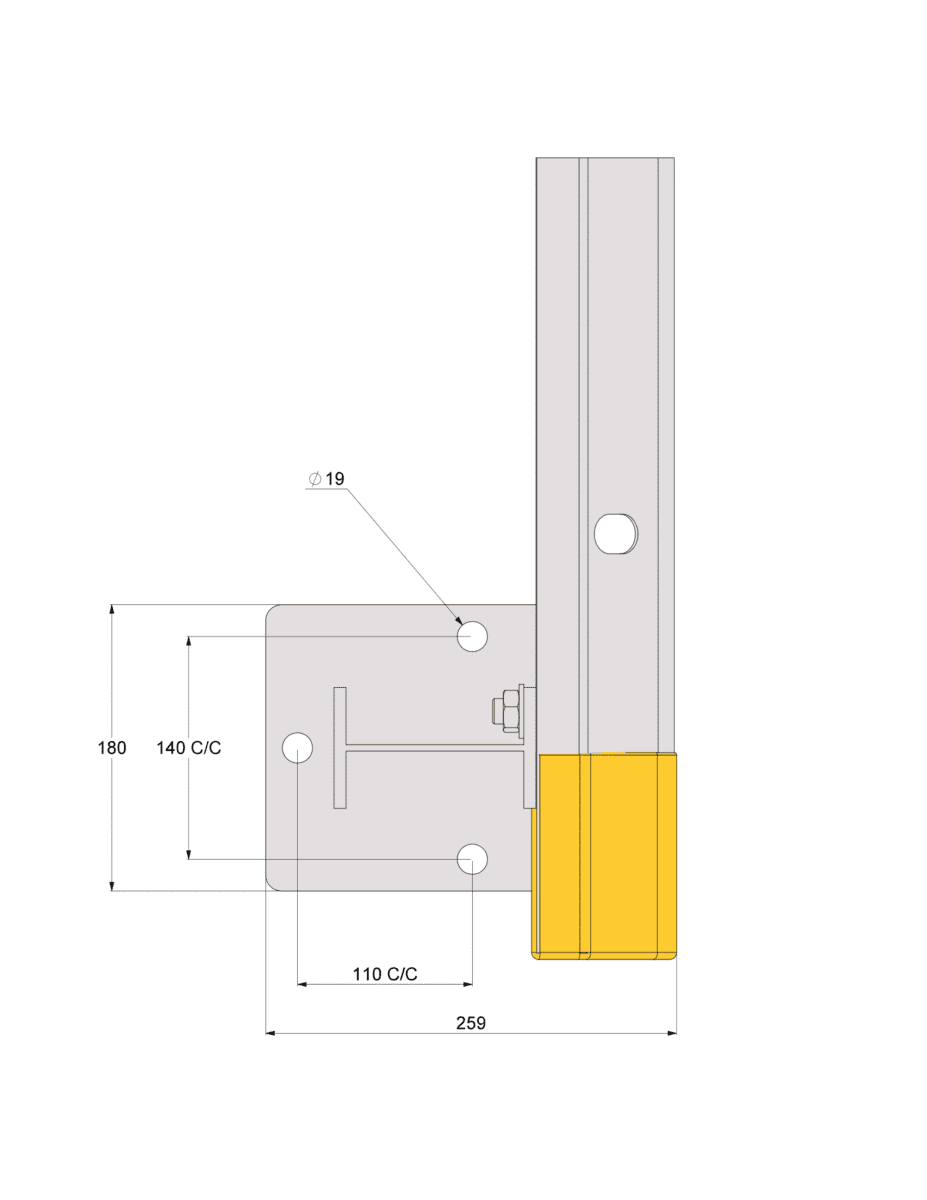
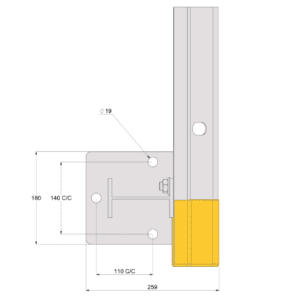
The 180mm x 180mm x 10mm baseplate provides a stable anchor point. Each post fixes using 3x M16 x 150mm galvanised throughbolts. The recommended edge spacing is 80mm minimum. Centre spacing is 140mm actual with a recommended minimum of 90mm. The footprint depth of the system is 257mm.
Post centres and configuration
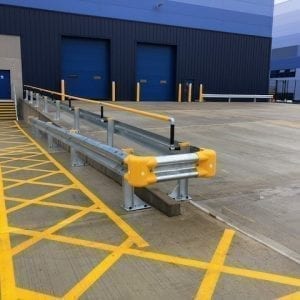
Post centre spacing depends on the impact risk of the location. For high-impact areas such as loading zones and busy vehicle routes, 1.6m post centres provide greater rigidity and resistance. For lower-impact areas, 3.2m post centres are suitable and cost-efficient. Both configurations use the same components and fixings. That consistency keeps specification and installation straightforward.
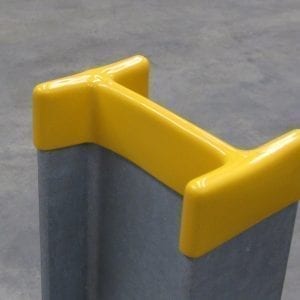
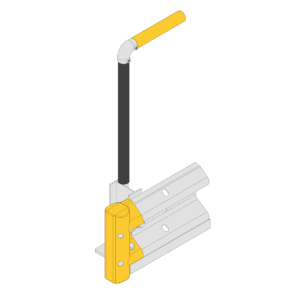
The system is fully modular and adapts to straight runs, corners and access points across any site layout. Optional polymer Armco safety ends and corners eliminate exposed metal edges at barrier run ends. This reduces the risk of contact-related injuries to personnel. An integrated pedestrian handrail option is also available where vehicle and pedestrian separation are both required at the same location.
Where the Armco 360 Safety Barrier is specified
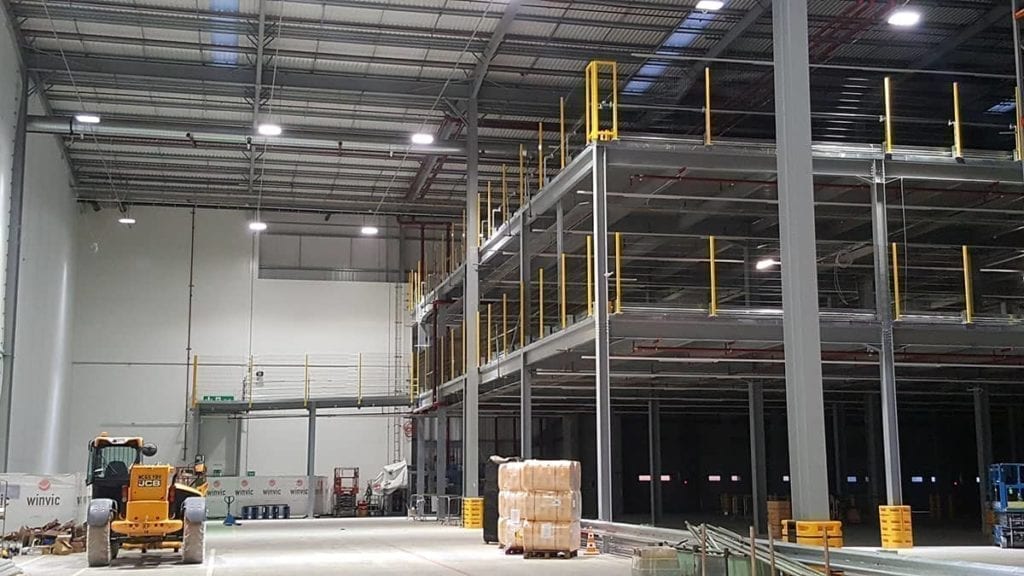
The Armco 360 suits any location where low-level wall and equipment protection is required in an industrial or commercial environment. Typical applications include warehouse perimeter walls and equipment lines, loading bay areas and vehicle turning points, machinery enclosures and operational pinch points. It also suits any location where forklift or pallet truck contact with building fabric is a known and recurring risk.
For locations requiring protection at greater heights, the Armco range extends from 560mm through to 1100mm. Single, double and triple stacked configurations suit all vehicle types and risk levels.
Supporting compliance and duty of care
Under the Workplace (Health, Safety and Welfare) Regulations 1992 and the Health and Safety at Work Act 1974, employers must maintain building fabric and workplace infrastructure in a safe condition. They must also take reasonable steps to prevent foreseeable damage to assets and people from vehicle contact. Unprotected walls and equipment in areas where forklifts operate represent exactly this kind of foreseeable and manageable risk. Addressing it is straightforward.
The Armco 360 Safety Barrier provides a practical, cost-effective physical control measure at the point where vehicle and building contact is most likely. For facilities managers, H&S managers and specifiers, installing Armco protection along high-risk vehicle routes demonstrates a proactive approach to asset protection. It also supports the requirement to maintain building fabric in a safe condition. The result is less structural damage, lower repair costs and a safer, better organised site.