
Description
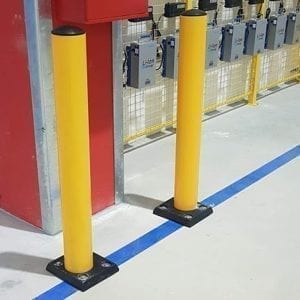
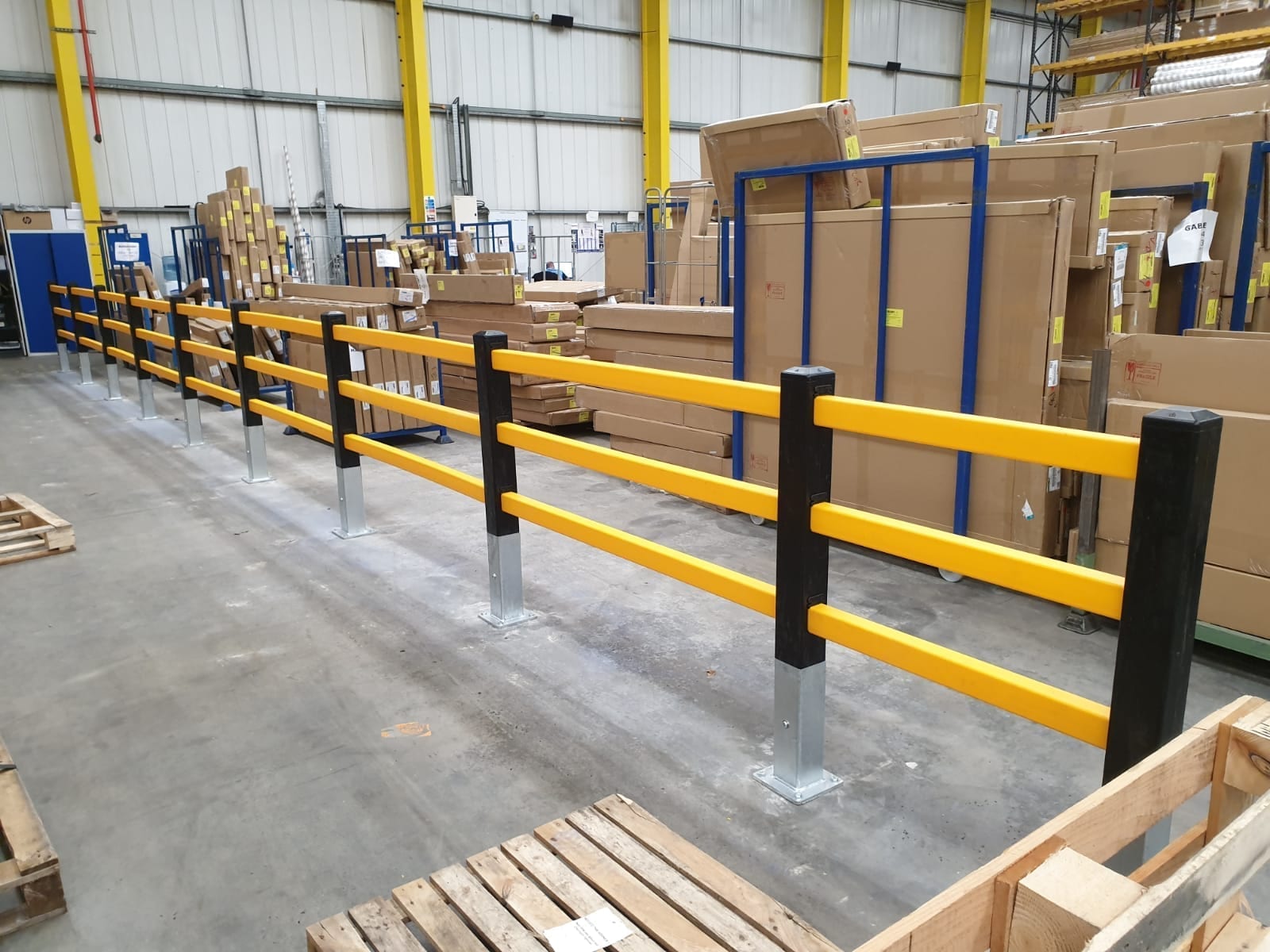
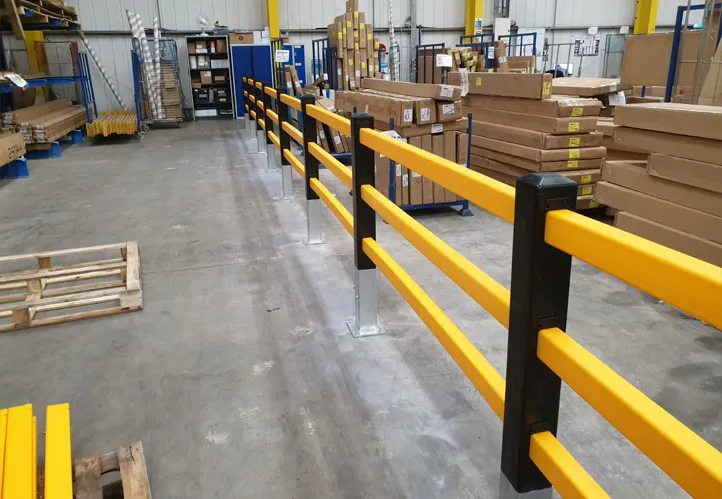
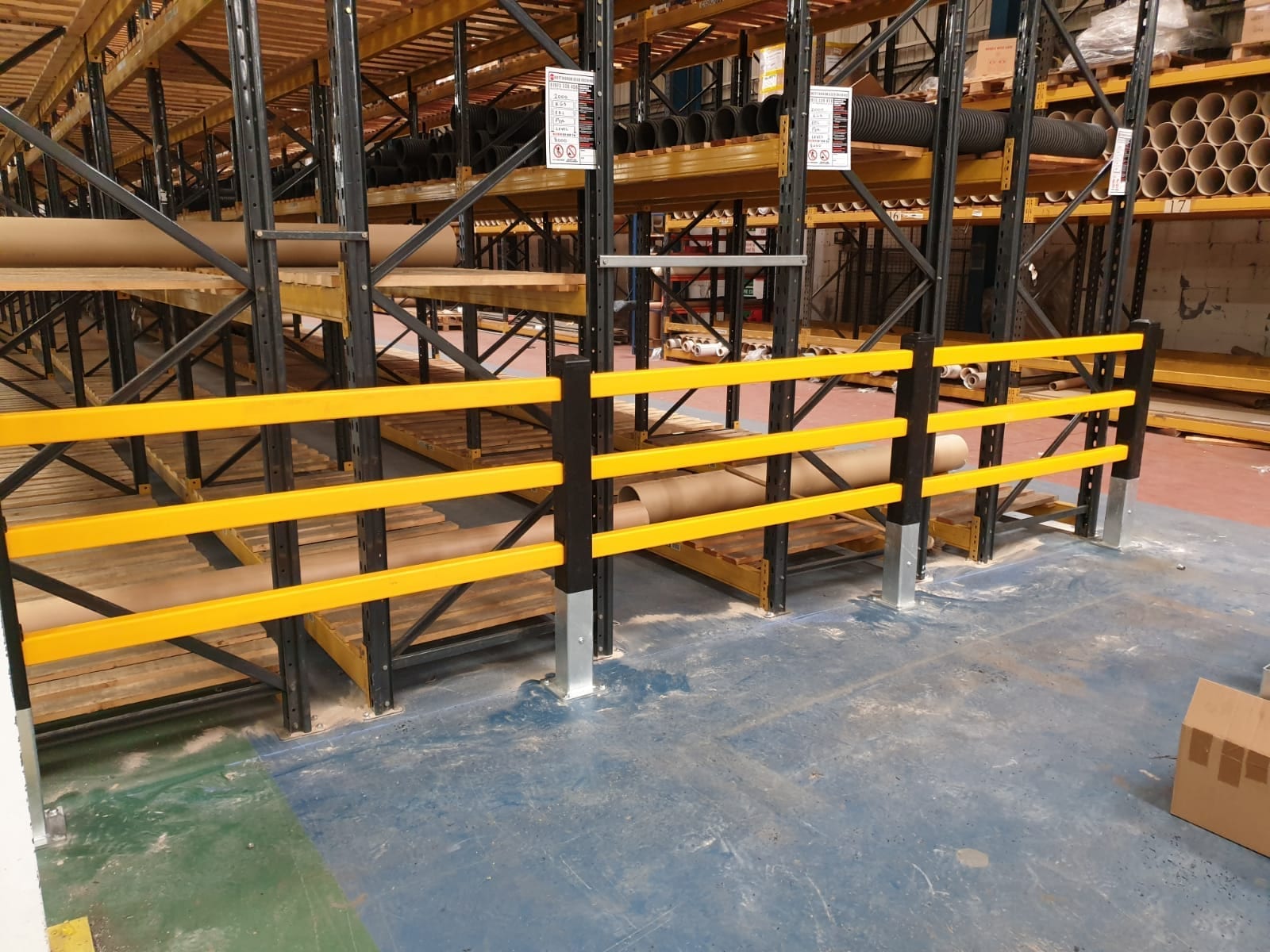
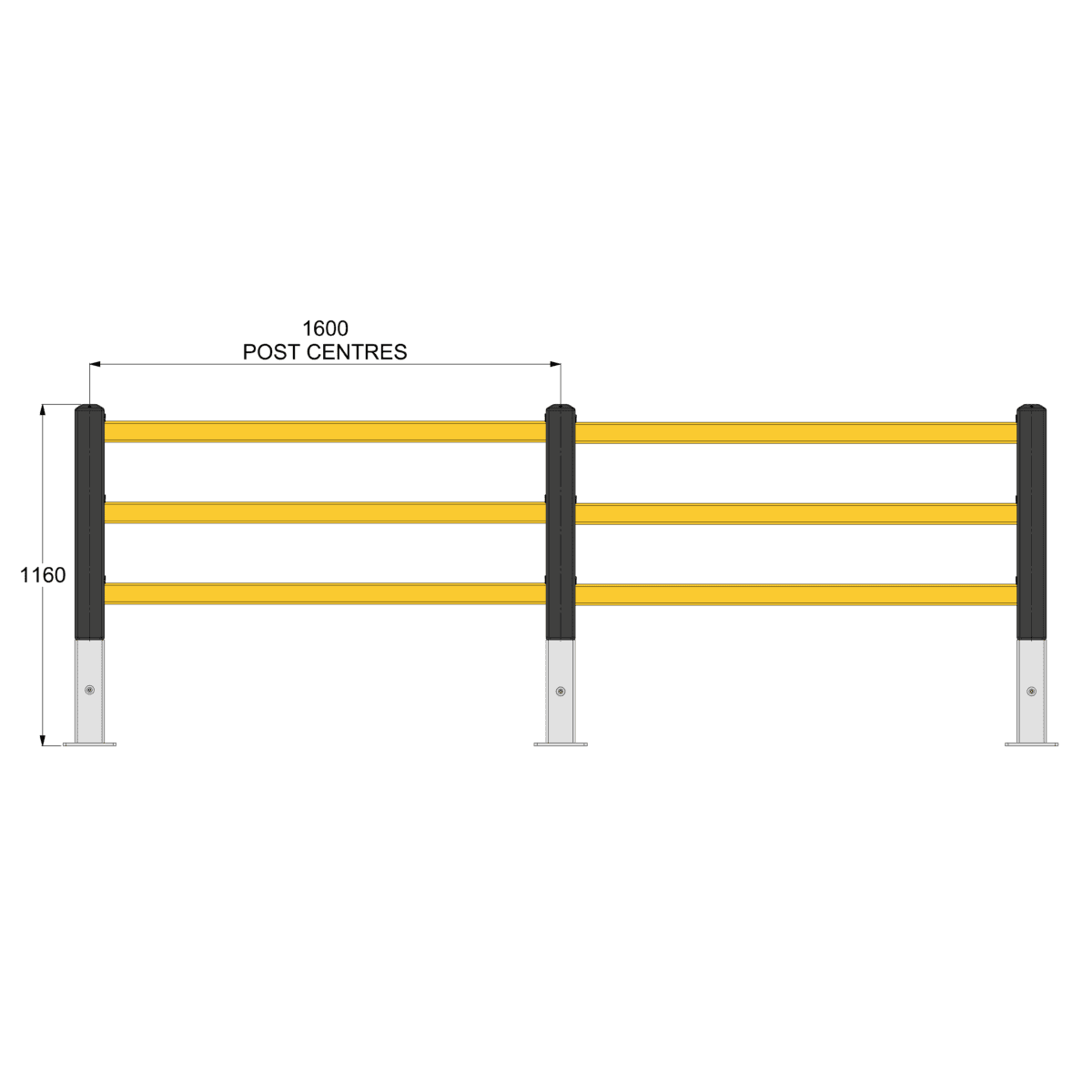
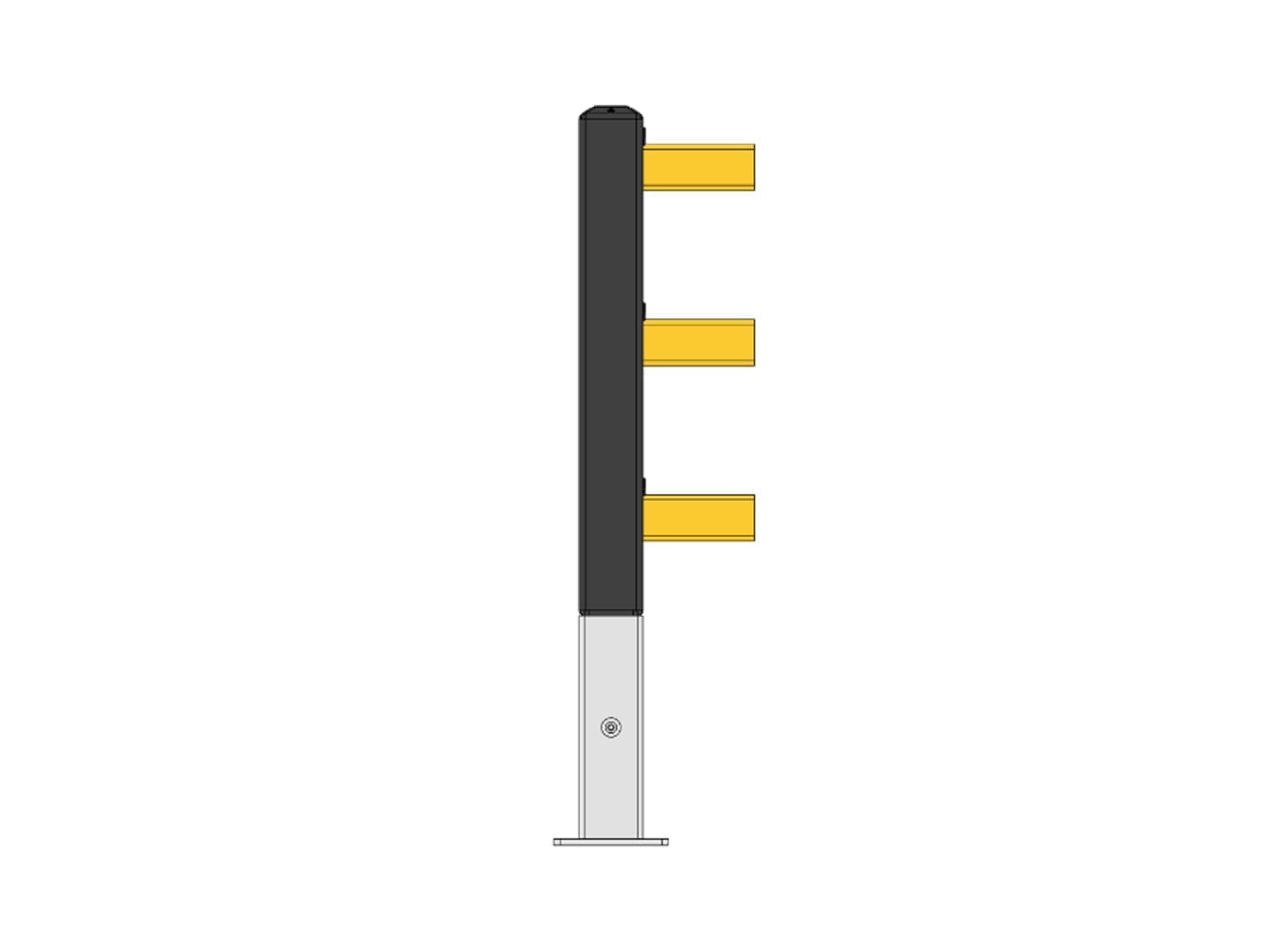
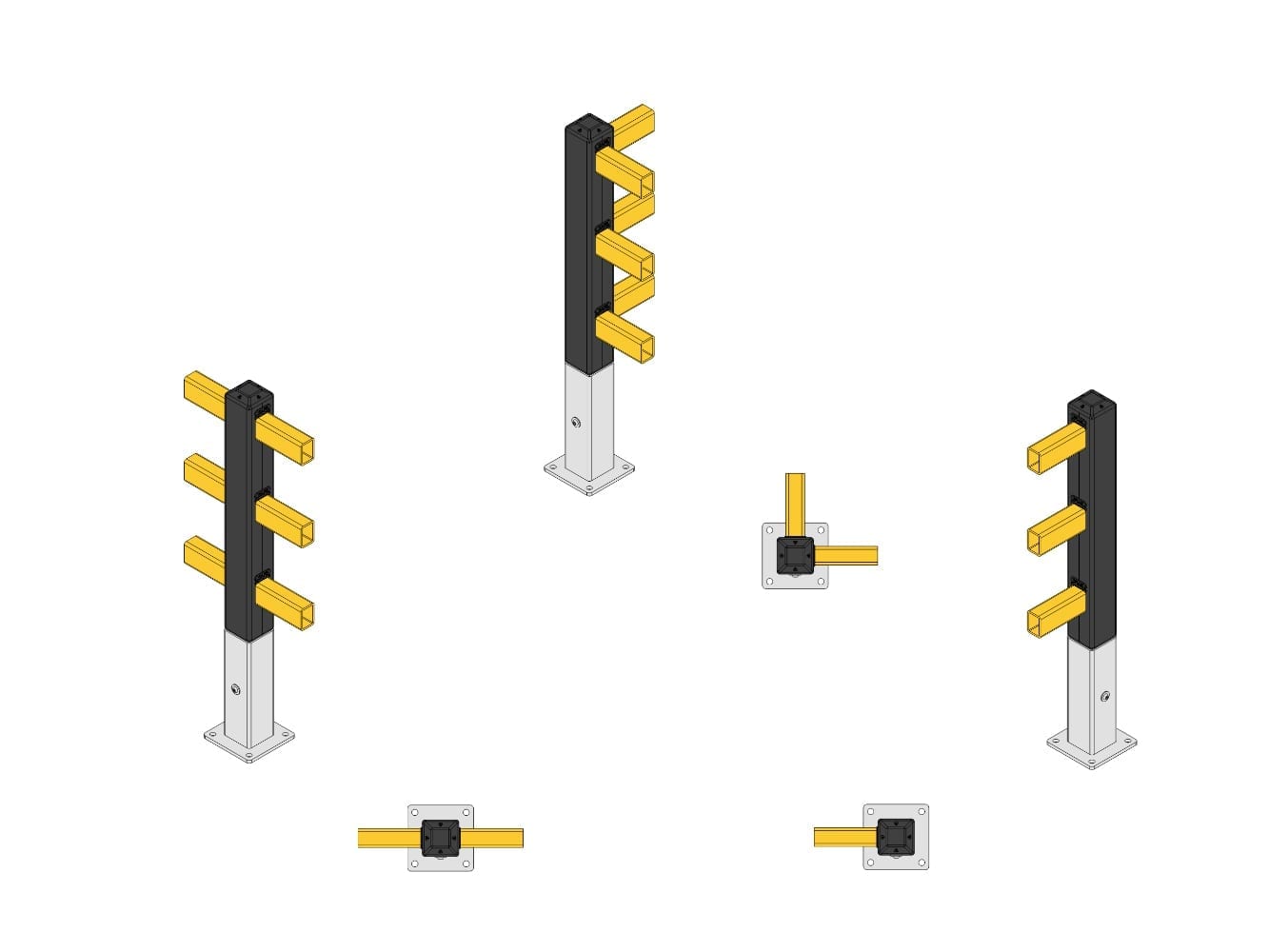
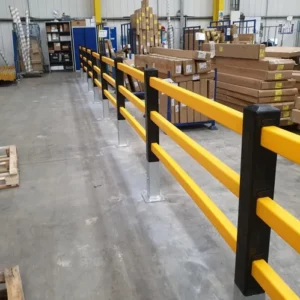
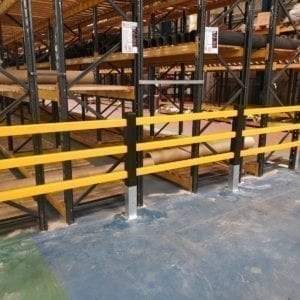
Pedestrian Safety Barriers are a low-maintenance solution made from High Density Polyethylene (HDPE) plastic. These HDPE Pedestrian Safety Barriers are designed to be durable and only need replacing when frequent or major impacts have occurred, making them a cost-effective choice for many environments.
Unlike traditional metal safety barriers, these barriers cause minimal floor damage when an impact occurs. This feature helps in saving maintenance costs in the long term, making them a smart investment for businesses looking to improve safety while keeping expenses low.
These barriers are available in a range of striking, high visibility colours that are easily detectable. This feature aids in preventing accidents before they happen, contributing to a safer workplace environment.
In addition to their practical benefits, these barriers are fully recyclable and non-toxic, making them an environmentally friendly choice. They are also suitable for use in food production facilities and freezer environments, demonstrating their versatility.
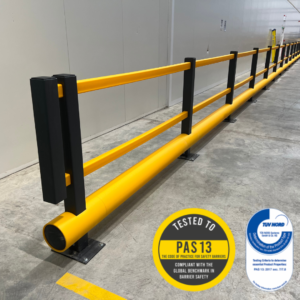
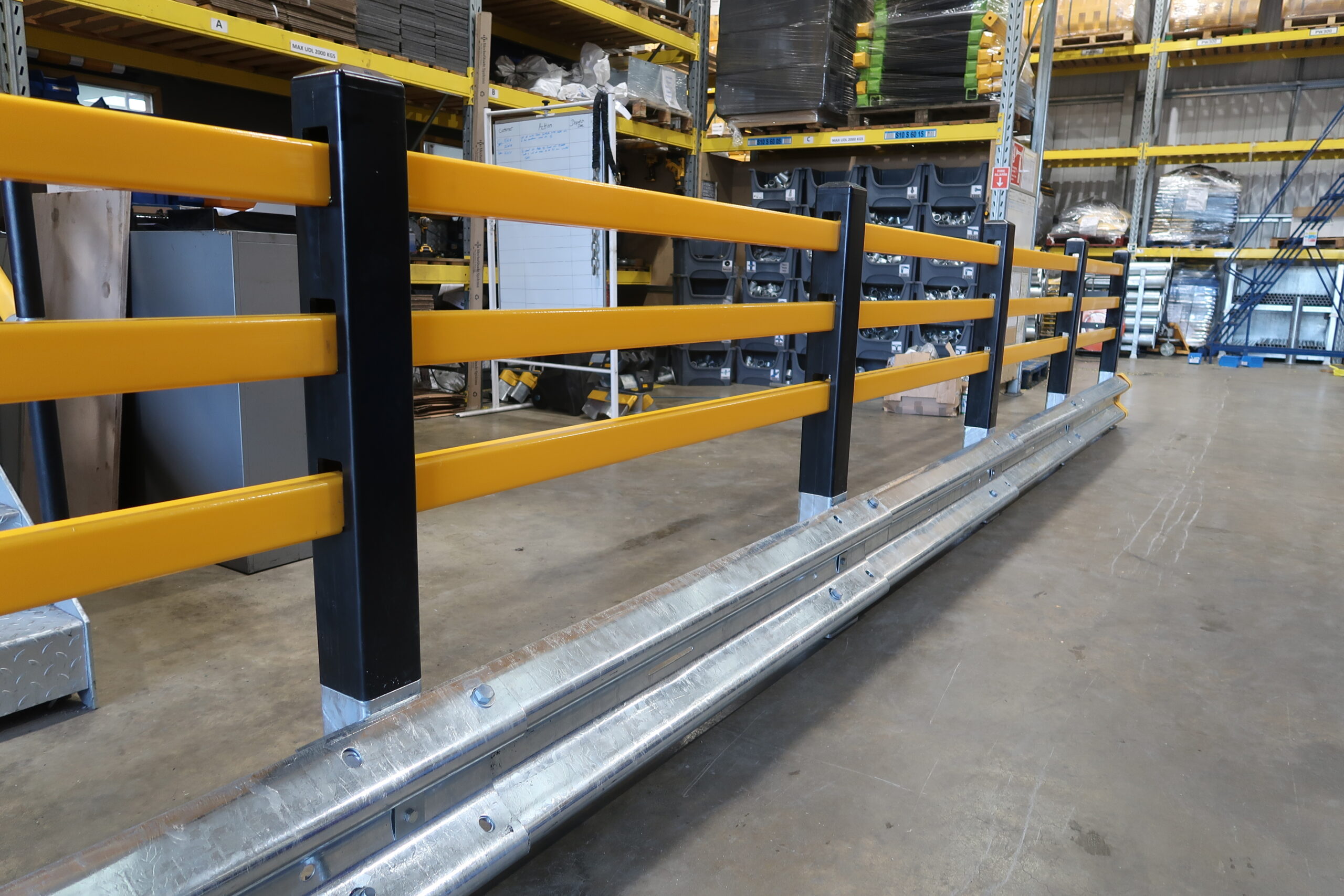
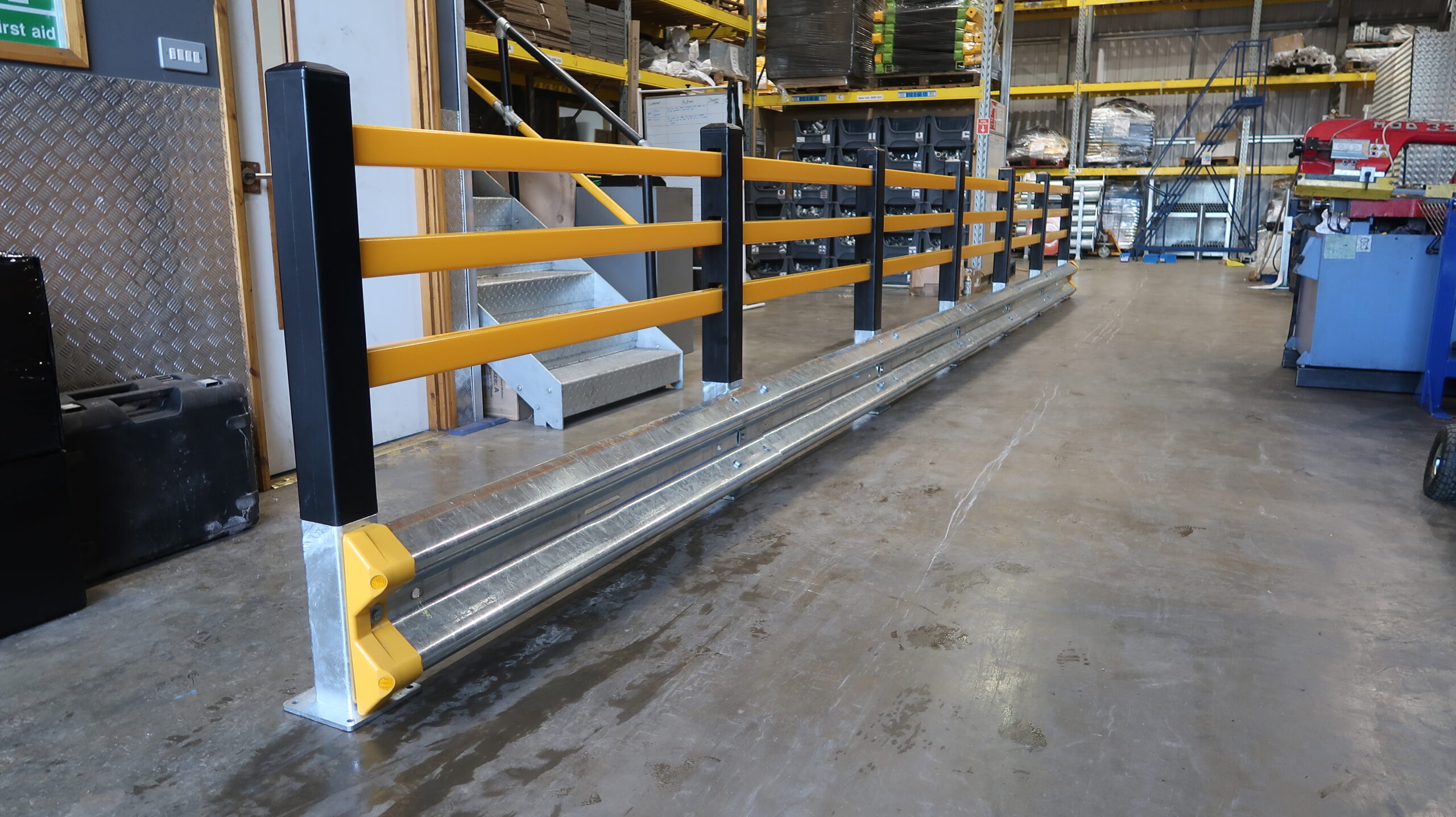
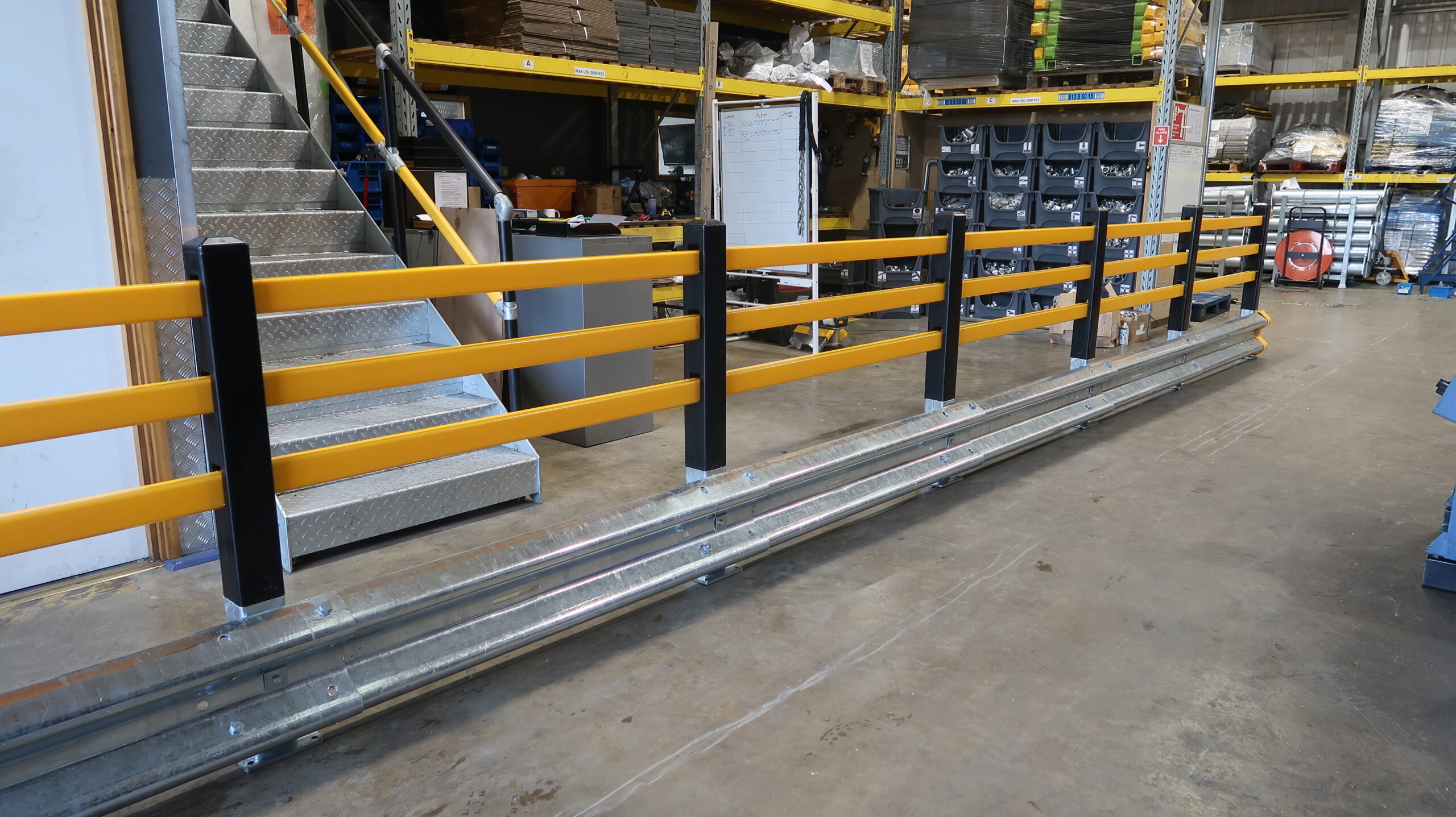
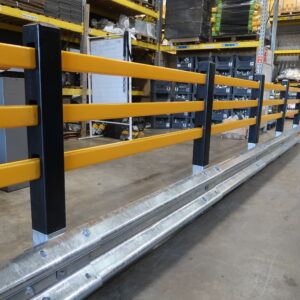
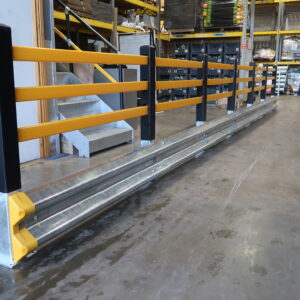
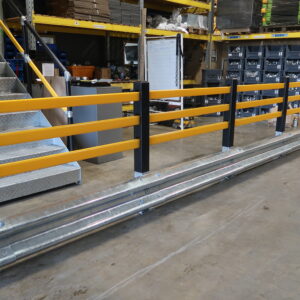
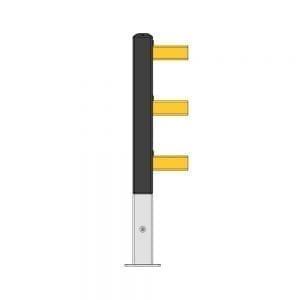
The system benefits from steel boots with the option to add a low-level Armco safety barrier rail. This addition helps to protect assets against forklift tine damage, further enhancing the barrier’s protective capabilities.
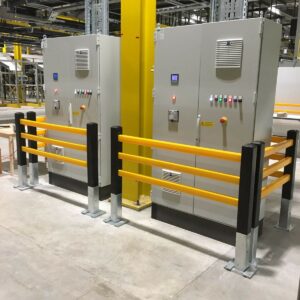
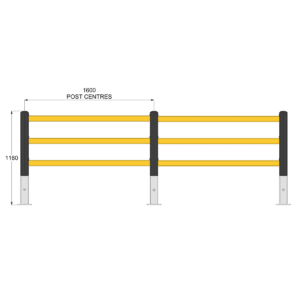
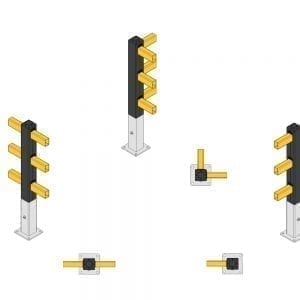
The first variation of the Pedestrian Barriers is called the Pedestrian Safety Barriers SEG+. This system includes an Armco Barrier for extra low-level safety protection. The Pedestrian Barriers also benefit from Pedestrian Sprung Return Gates as an excellent option for easy access to maintain equipment. A demountable shoe plate is also available to remove a section of the barrier to gain entrance to LV and IDF cabinets.
These Demountable Safety Barriers (SEG+) are ideal for zoning off LV and IT Cabinets to restrict MHE equipment and pedestrian encroachment to these areas. They are also suitable for separating loading spaces and designated holding sections, as well as segregating critical infrastructure such as water, gas, and electric lines, and Information Technology (IT) cabinets, along with other specified areas. This makes them a comprehensive solution for a wide range of safety needs.