
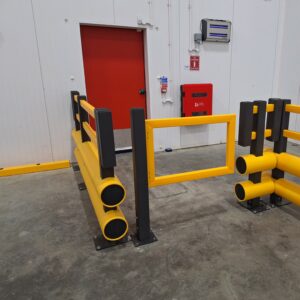
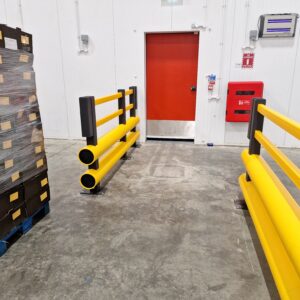
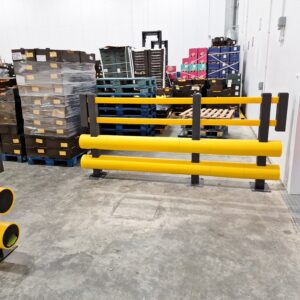
Description
Polymer Double Bumper Pedestrian Barriers Overview:
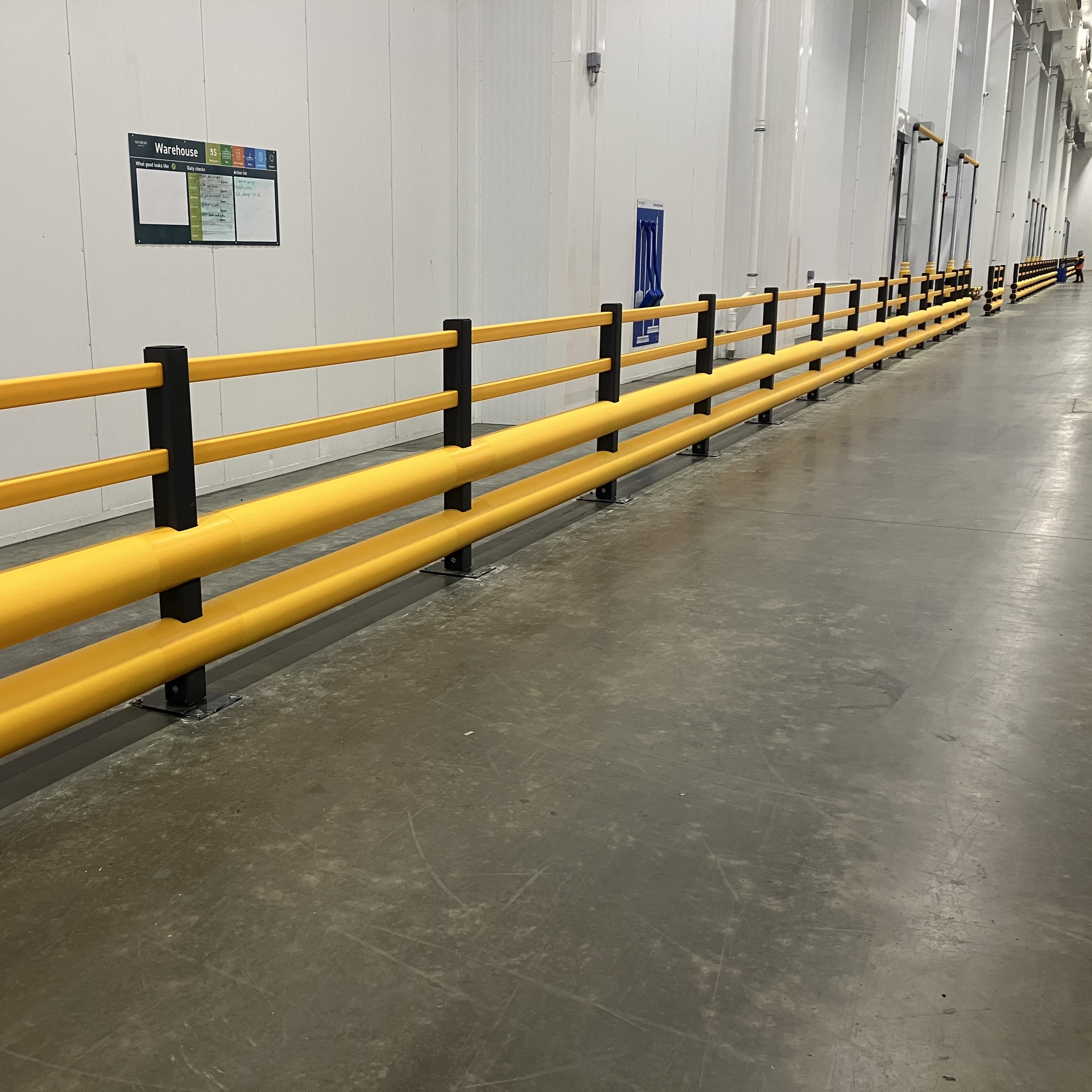
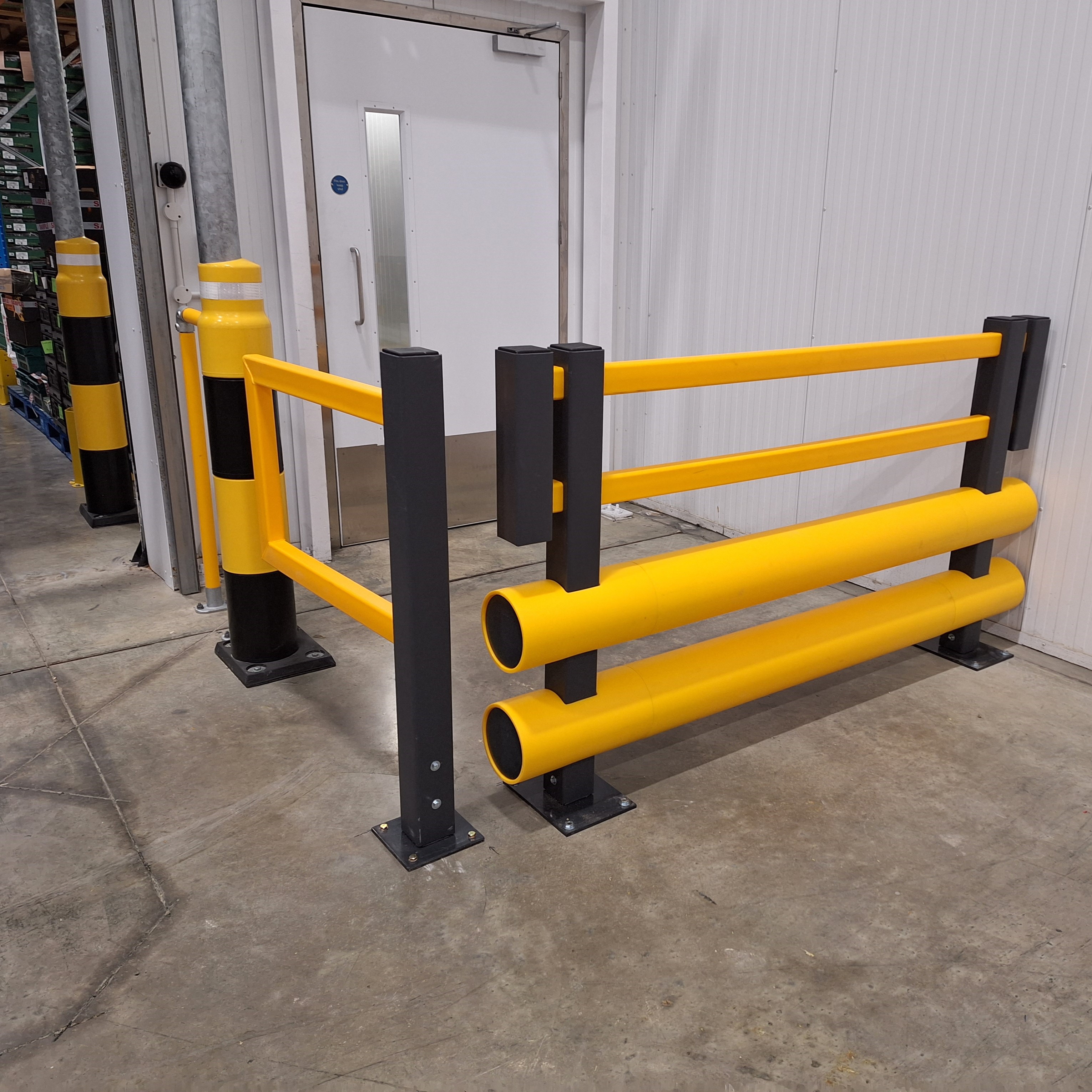
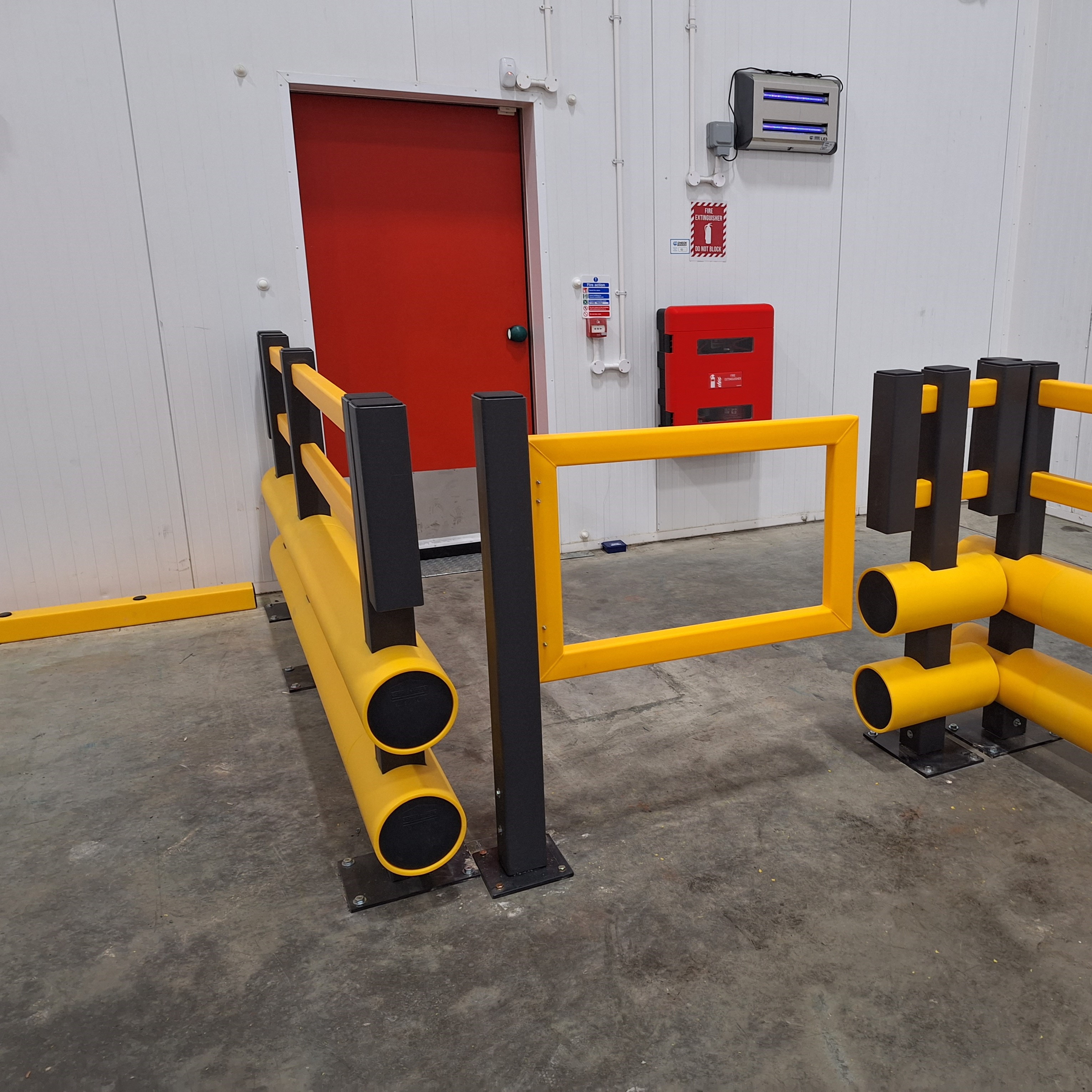
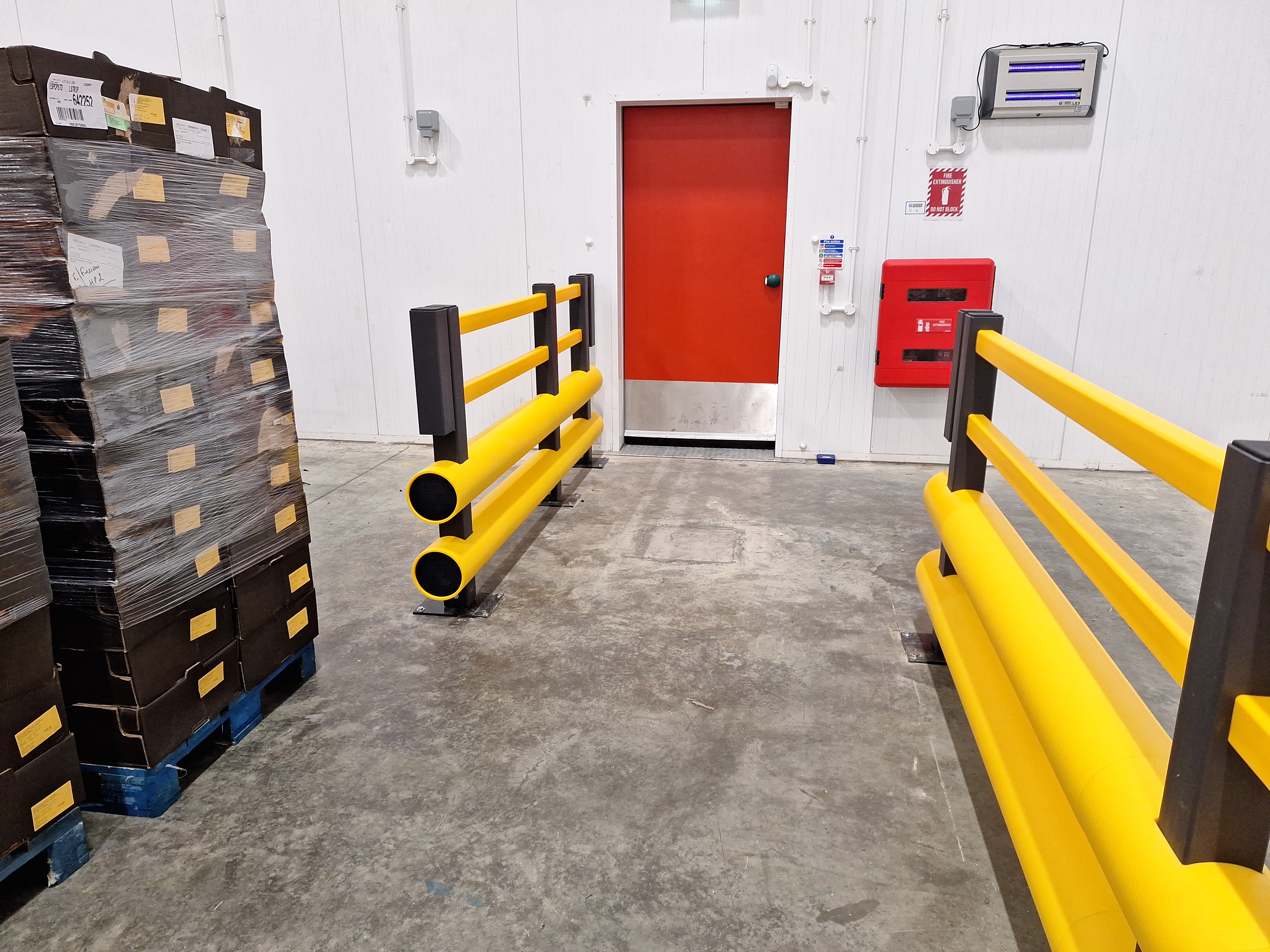
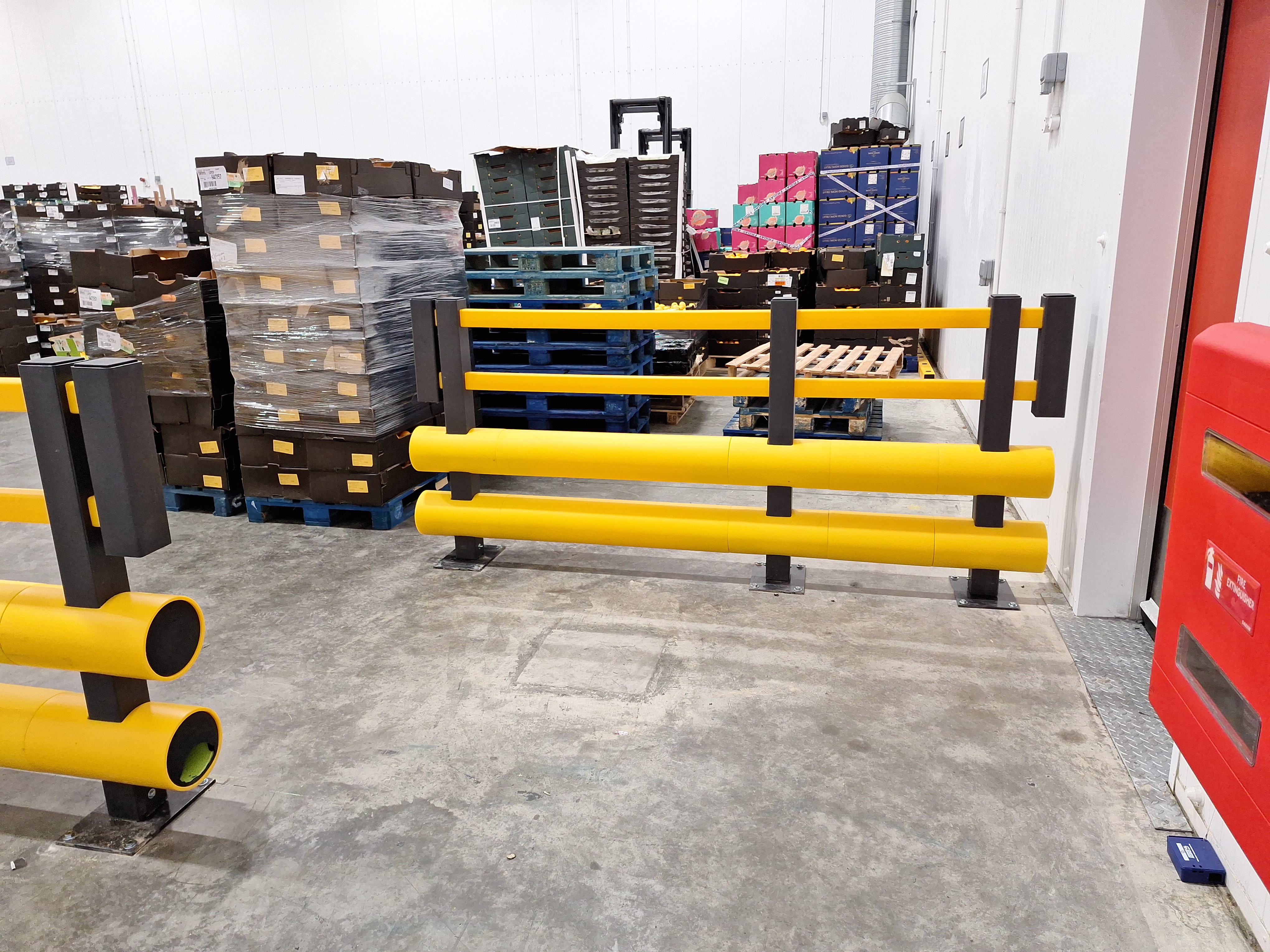
Low-maintenance High-Density Polyethylene (HDPE) plastic barriers only need to be replaced after frequent, major impacts. Unlike metal barriers, they cause minimal floor damage upon impact, saving on long-term maintenance costs. Available in a range of striking, high-visibility colours, they are easily detectable, thus preventing accidents before they occur. Fully recyclable and non-toxic, these barriers are suitable for use in food production facilities and freezer environments.
Polymer Double Bumper Pedestrian Barriers Details:
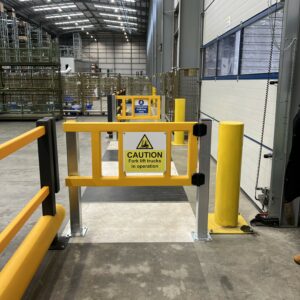
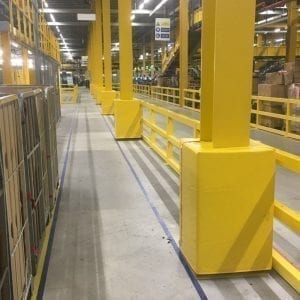
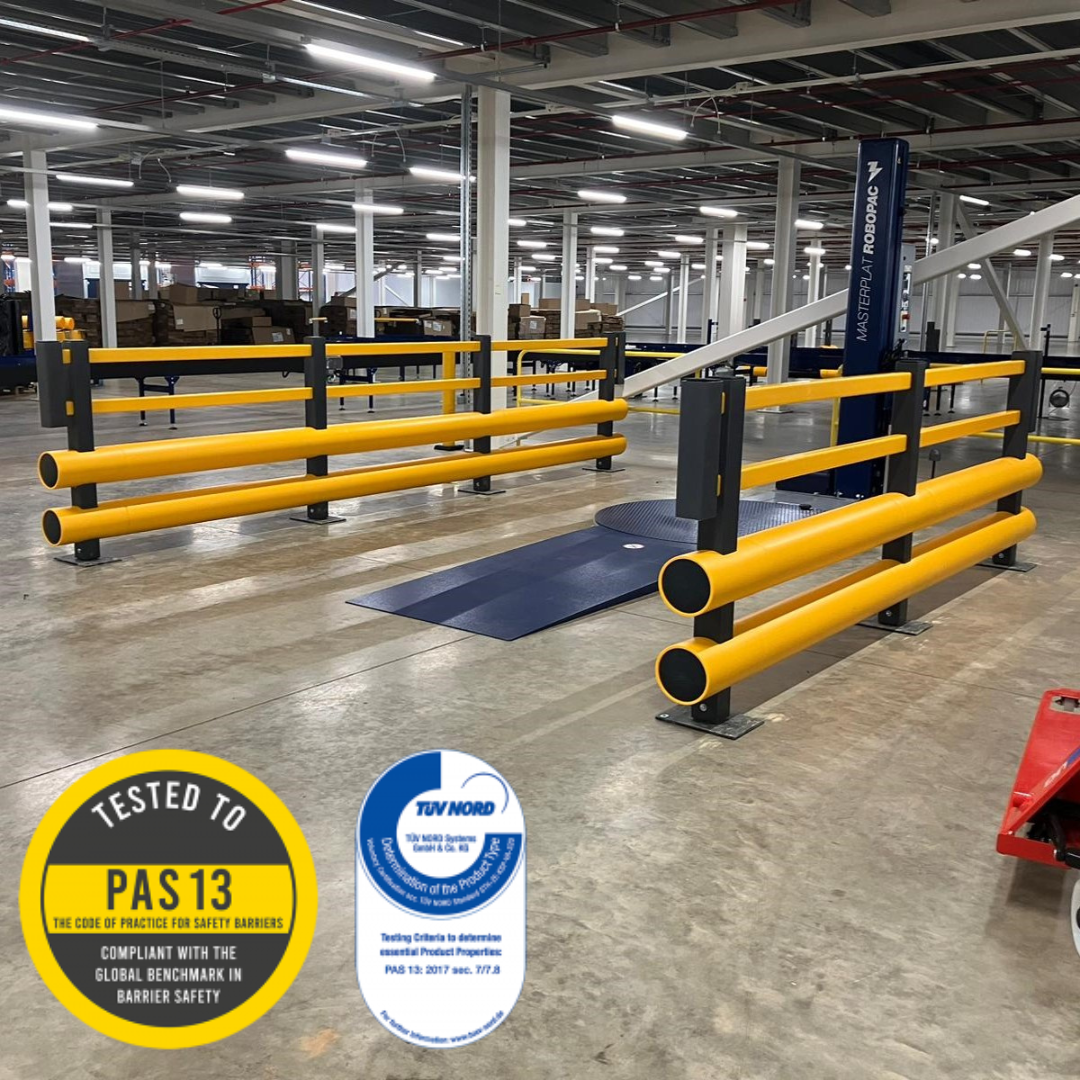
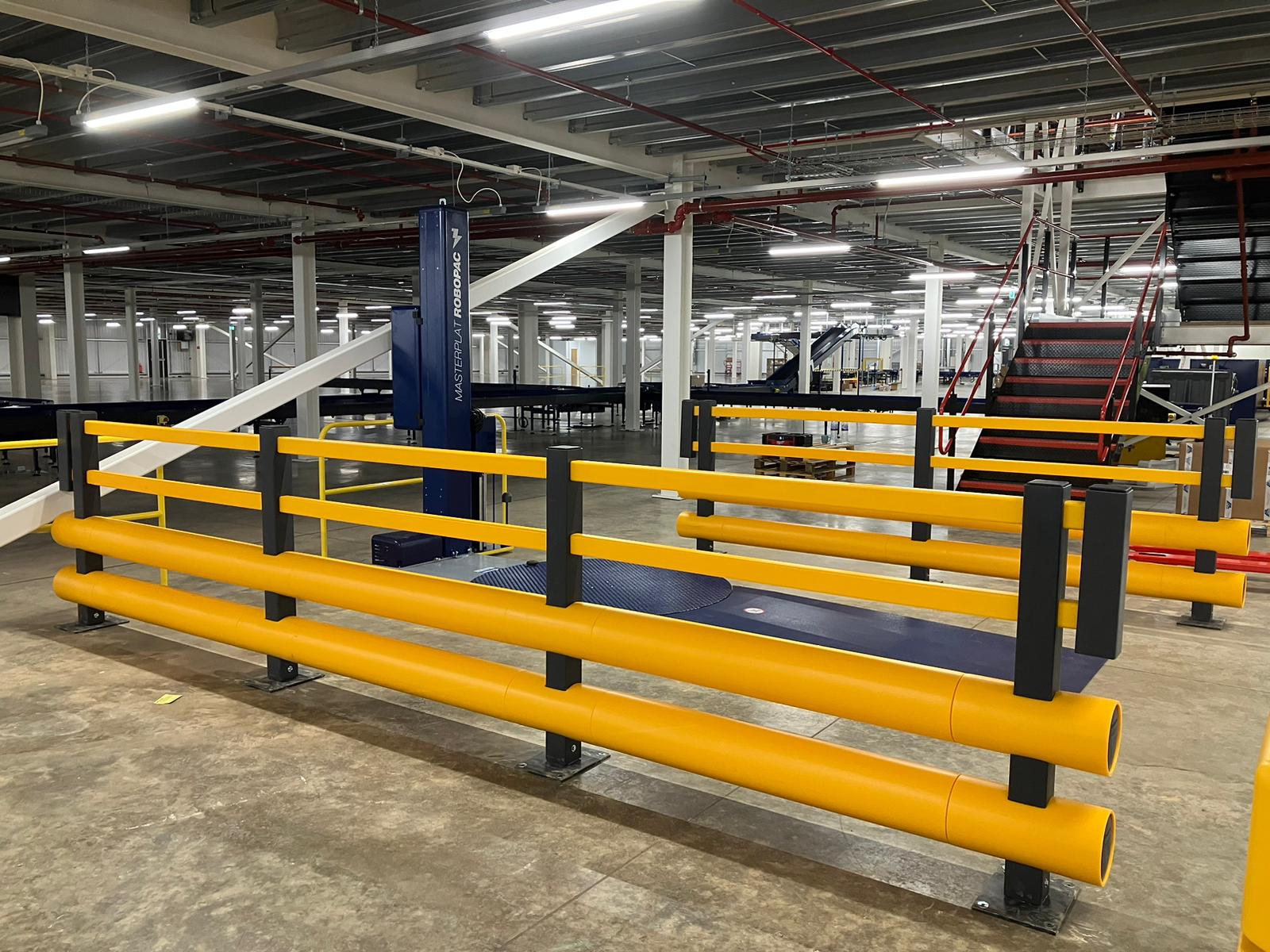
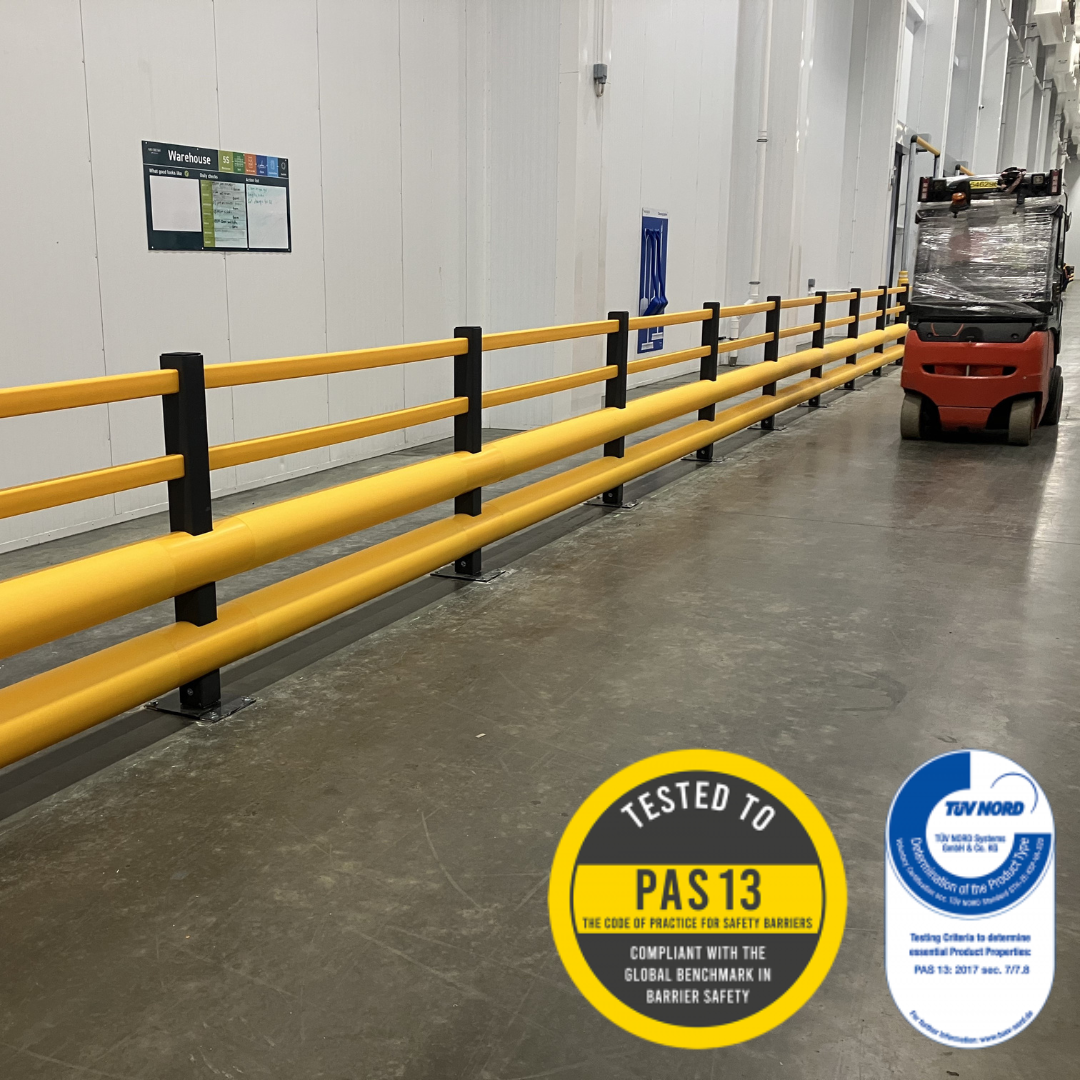
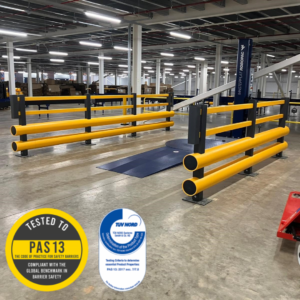
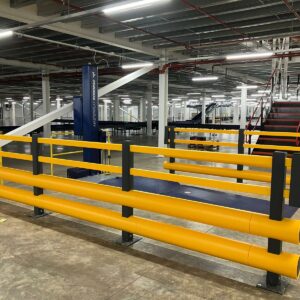
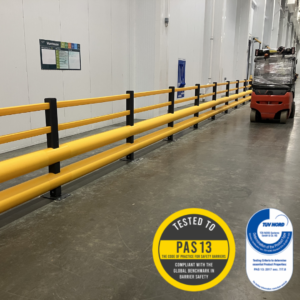
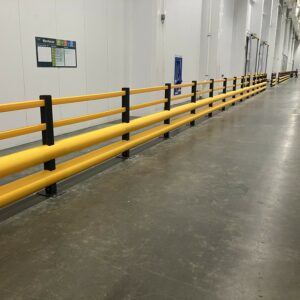
Enhancing the realm of workplace safety, the Polymer Double Bumper Pedestrian Barrier by Brandsafe emerges as the epitome of protective innovation and environmental consciousness. Designed to set new benchmarks in pedestrian safety, this barrier system excels in areas where pedestrians and Material Handling Equipment (MHE) navigate closely, providing an unmatched layer of safety in warehouses and spaces requiring clear pedestrian segregation.
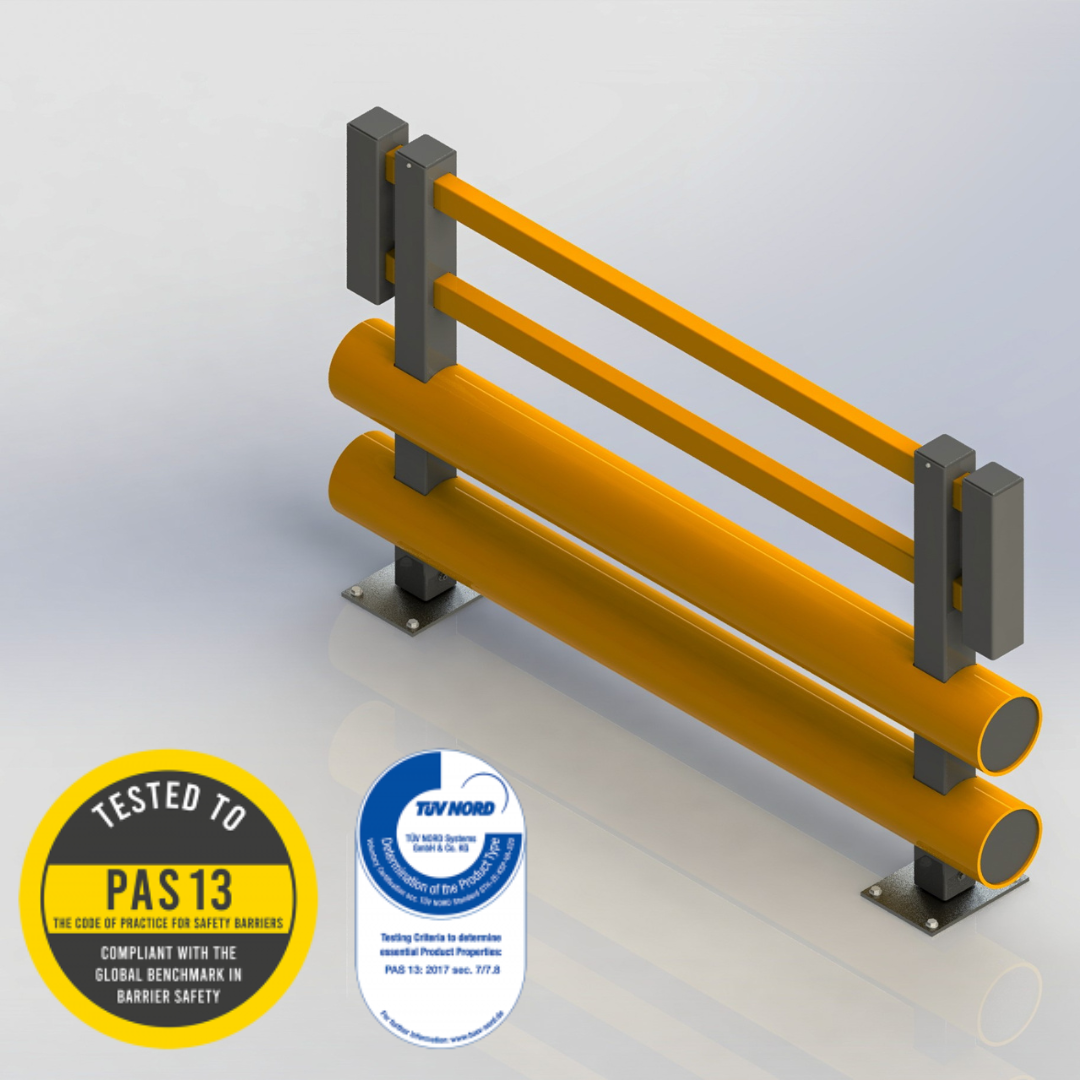
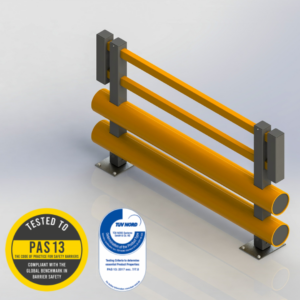
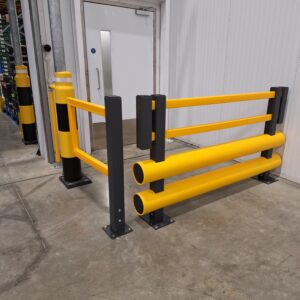
Constructed from premium High-Density Polyethylene (HDPE) polymer, the Double Bumper Pedestrian Barrier stands at the forefront of industrial safety solutions. It boasts a height of 1170mm, a footplate width of 300mm, and adaptable lengths starting from 900mm, making it a versatile fit for diverse environmental conditions and workplace layouts. This barrier not only reflects Brandsafe’s dedication to safety and quality but also underscores a commitment to environmental sustainability, being fully recyclable and made from non-toxic, fade-resistant materials.
The Polymer Double Bumper Pedestrian Barrier, modified version of the Single Bumper Pedestrian Barrier, enhances the barrier’s ability to absorb and deflect impacts, providing superior protection and strength without sustaining damage. This dual-bumper design ensures heightened safety for pedestrian zones, effectively reducing the risk of accidents in high-traffic areas. Quick and effortless to install, the barrier comes with all necessary fixings, facilitating immediate improvements to workplace safety with minimal downtime.
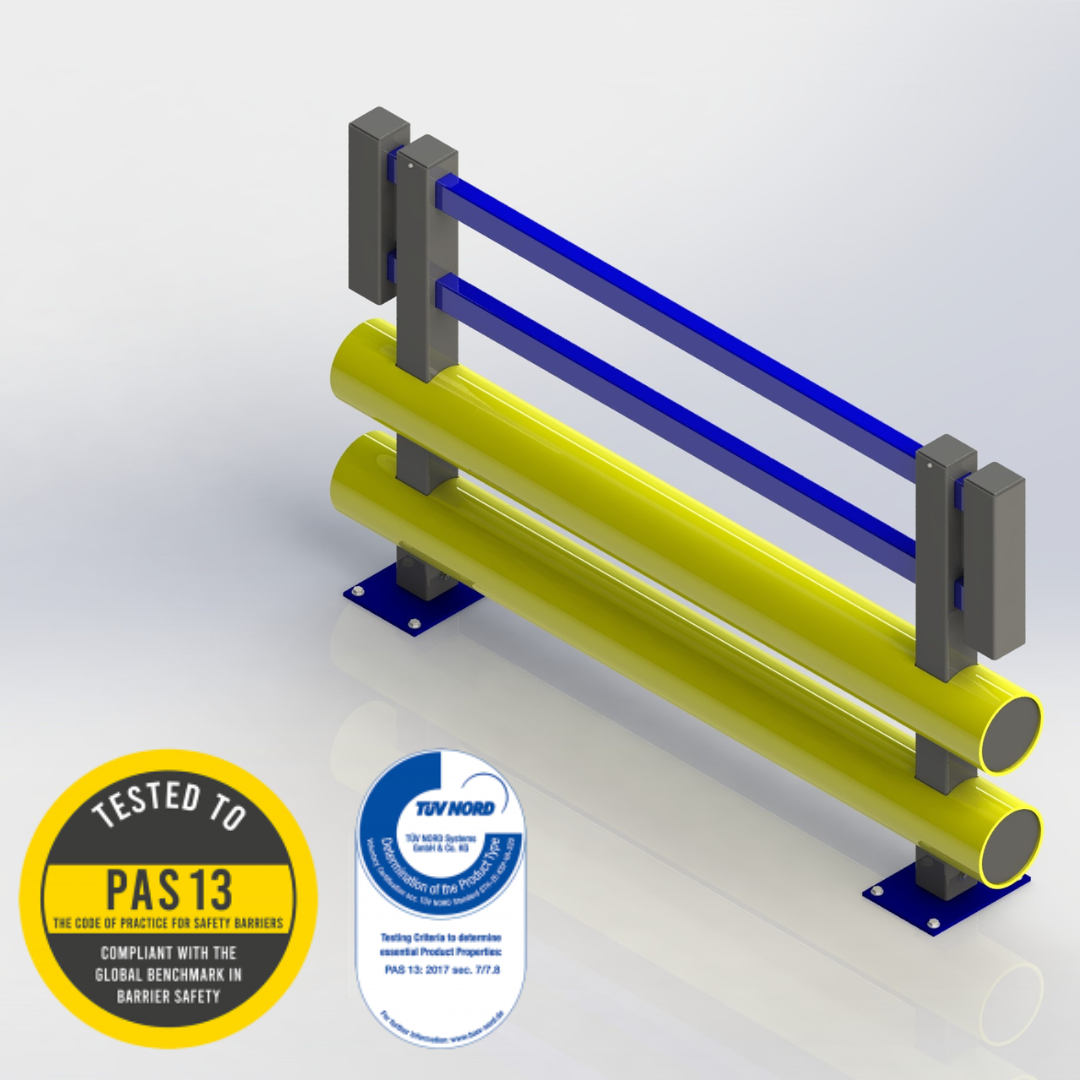
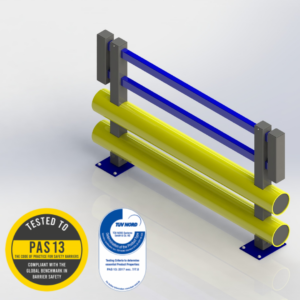
Meeting and surpassing the rigorous PAS 13 standards, as independently verified by TÜV Nord, the Polymer Double Bumper Pedestrian Barrier is a testament to Brandsafe’s relentless pursuit of excellence in safety. Its visibility is further amplified by a selection of high-visibility colours, including Hi-Vis Yellow & Blue and Safety Yellow & Grey, which play a crucial role in delineating safe pedestrian pathways and enhancing overall site safety.
This polymer barrier’s technical specifications are tailored for optimal performance across ambient, chilled, and freezer environments, making it a highly adaptable solution for a broad spectrum of industrial and commercial settings, including food production areas. Its environmental credentials, combined with its operational versatility, make it a forward-thinking choice for businesses focused on safety and sustainability.
In conclusion, the Polymer Double Bumper Pedestrian Barrier is not merely a safety product; it is a comprehensive safety solution, emblematic of Brandsafe’s commitment to enhancing workplace safety, environmental responsibility, and efficiency. By choosing this advanced HDPE polymer barrier system, businesses can elevate their safety standards, protect their workforce and operations, and contribute to a safer, more sustainable future.
Explore More with Brandsafe
As part of IWS Group, here at Brandsafe, we’re dedicated to providing solutions that not only meet but exceed our clients’ safety needs. Our Double Bumper Pedestrian Barrier is a testament to our commitment to innovation, sustainability, and customer satisfaction. For those looking to further enhance their warehouse safety, our comprehensive range of products, including Armco Barriers, Bollards, and traffic safety solutions like our Wheel Stops, offers everything required to secure personnel and property from life-threatening impacts.