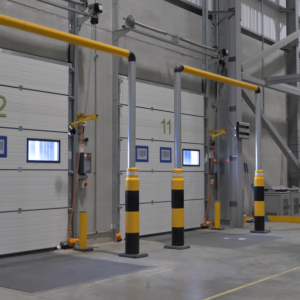
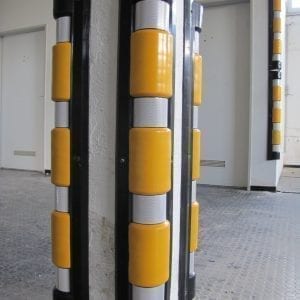
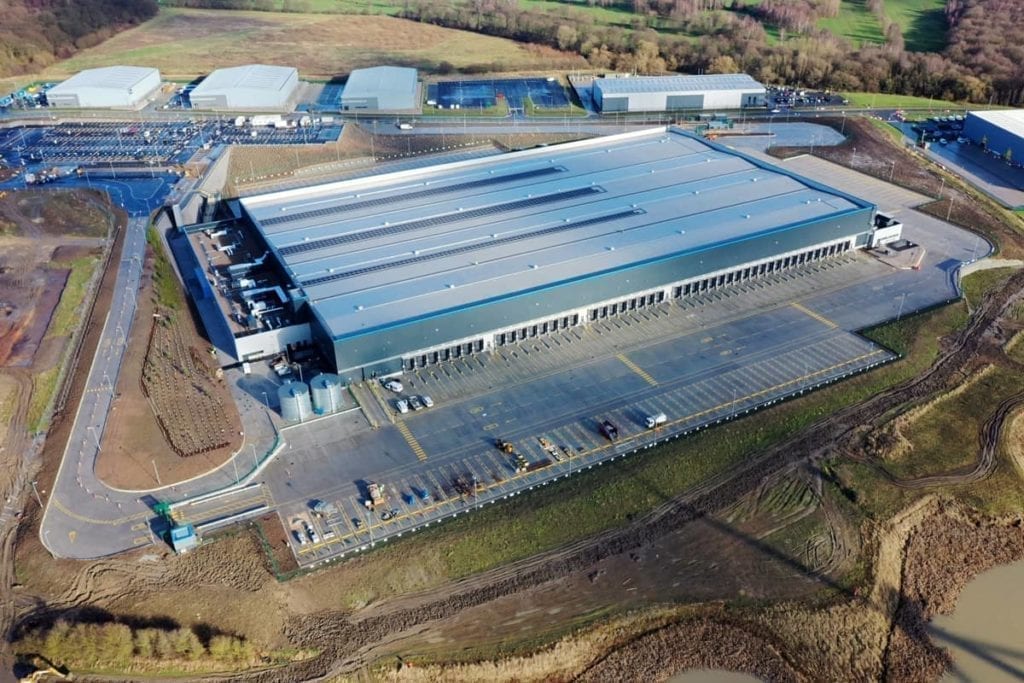
Introducing the Polymer Double Bumper Barrier from Brandsafe, a state-of-the-art safety innovation designed to redefine protective standards in bustling warehouse environments. Engineered with a dual focus on safeguarding personnel and vehicles against large Material Handling Equipment (MHE) impacts, this barrier system sets a new precedent for safety and spatial efficiency in the modern workspace.
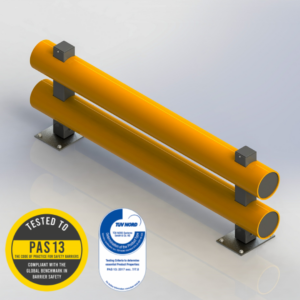
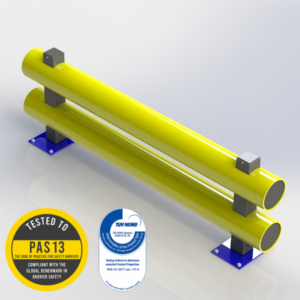
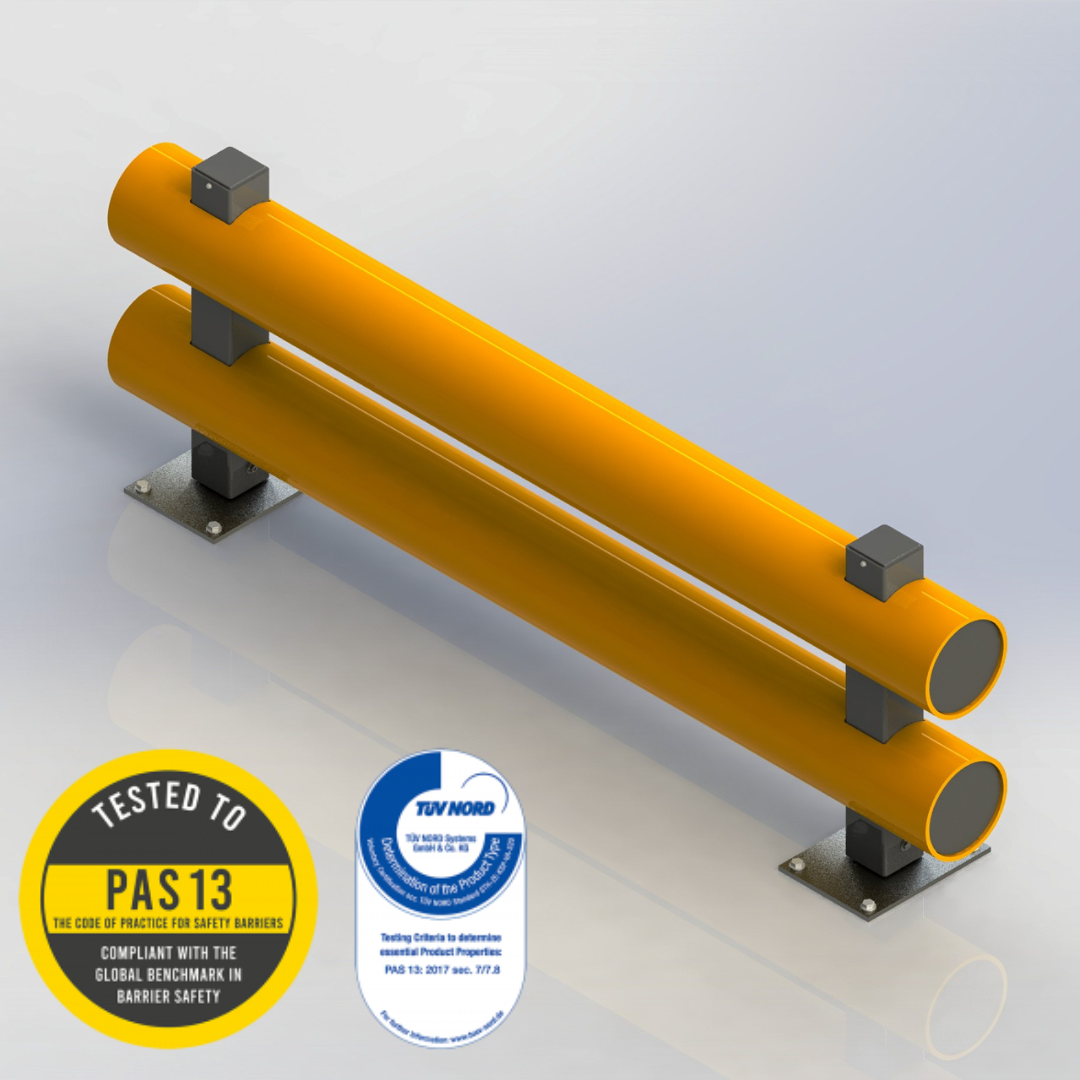
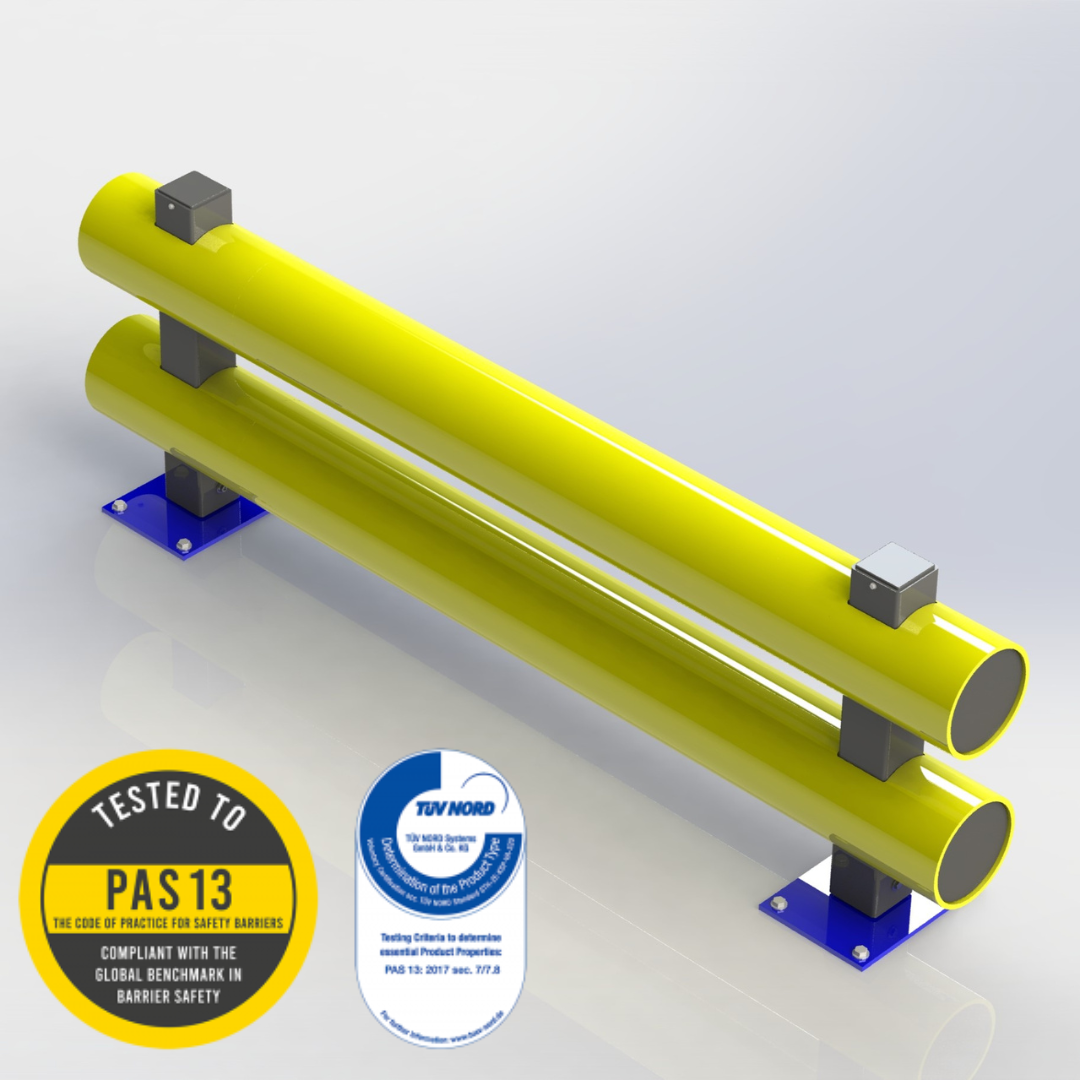
Constructed from high-density polyethylene (HDPE) polymer, the Double Bumper Barrier is not only a testament to structural robustness but also to environmental responsibility. Its towering stature at 670mm, combined with a 300mm footplate width and adjustable lengths starting from 900mm, offers a dynamic solution for establishing highly visible and secure zones across diverse operational settings. The barrier’s efficacy in both ambient and extreme temperature conditions, including chilled and freezer environments, amplifies its versatility and applicability across various industrial landscapes.
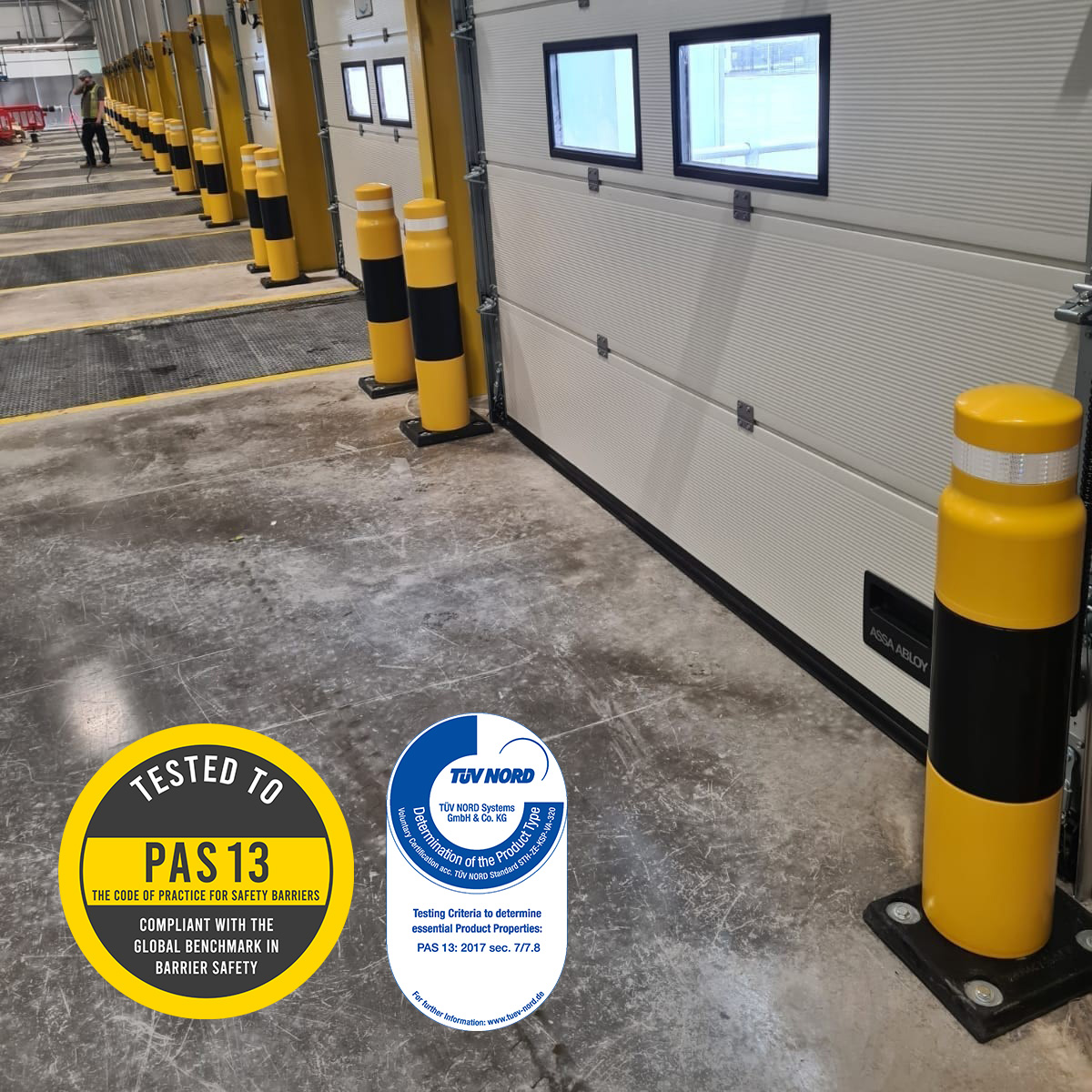
With its striking high-visibility colours, available in Hi-Vis Yellow & Blue and Safety Yellow & Grey, the Polymer Double Bumper Barrier ensures clear demarcation of safe working areas. This critical feature significantly reduces the likelihood of accidents, fostering a safer work environment for both MHE operators and pedestrians. The inclusion of all necessary fixings simplifies the installation process, enabling rapid deployment with minimal interruption to daily activities.
The commitment of Brandsafe to superior safety standards is unmistakably demonstrated in the Polymer Double Bumper Barrier’s adherence to the rigorous PAS 13 global standard, independently verified by TÜV Nord. This distinction guarantees that the barrier not only meets but exceeds established safety benchmarks, providing businesses with the assurance needed to protect their most valuable assets—their people.
Highlighting its sustainable design, the barrier’s non-toxic, fade-resistant HDPE material is fully recyclable, aligning with contemporary environmental considerations. The use of Hilti HSA4 floor anchors ensures a steadfast and durable installation, while its capacity to withstand impacts of up to 14,200 Joules (based on a 90° collision) and a deflection of 214mm showcases an unmatched blend of resilience and adaptability.
In essence, the Polymer Double Bumper Barrier is a cornerstone of workplace safety innovation. Incorporating this barrier within their safety protocols allows businesses to significantly uplift their safety measures, enhancing operational efficiency and employee well-being. It epitomises Brandsafe’s unwavering commitment to delivering cutting-edge, reliable, and ecologically sound safety solutions, establishing a new industry benchmark for comprehensive workplace protection.
Explore More with Brandsafe
As part of IWS Group, here at Brandsafe, we’re dedicated to providing solutions that not only meet but exceed our clients’ safety needs. Our Double Bumper Pedestrian Barrier is a testament to our commitment to innovation, sustainability, and customer satisfaction. For those looking to further enhance their warehouse safety, our comprehensive range of products, including Armco Barriers, Bollards, and traffic safety solutions like our Wheel Stops, offers everything required to secure personnel and property from life-threatening impacts.